

 MyChart

Turns out “your child needs glasses” is actually pretty good news. It means something that was quietly making school harder just got found — and fixed. Here’s what the next few weeks look like.
Vision problems in children are sometimes mistaken for attention or learning difficulties, especially when kids don’t realize they aren’t seeing clearly.
How did we get here? Vision screening at well-child visits
Vision screening is a standard part of your child’s well-child visit at Welia Health, starting around age 2 and continuing through the school years. These screenings are designed to catch common, treatable conditions — nearsightedness, farsightedness, astigmatism, and others — before they start affecting learning, behavior, or confidence.
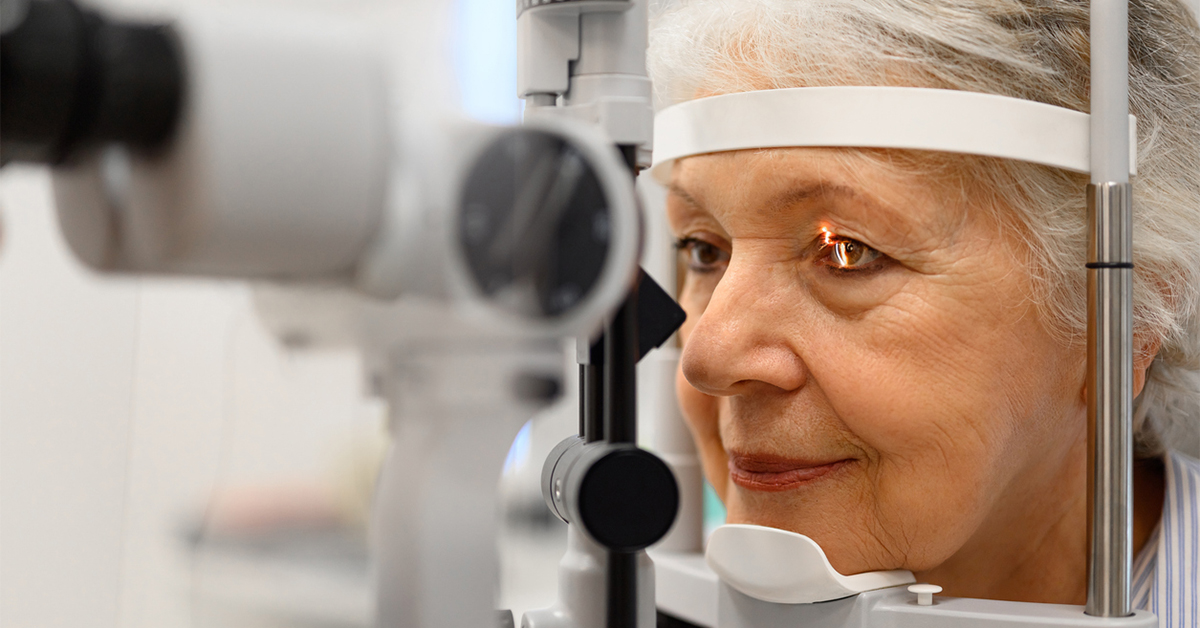
A screening is a flag, not a full diagnosis. If your family medicine provider spots something, they’ll refer you to the Eye Care Center for a comprehensive eye exam — the step where a prescription gets written and a treatment plan is made.
The comprehensive eye exam: What happens
It’s thorough, but it’s also completely kid-friendly. During a comprehensive exam, your child’s optometrist will:
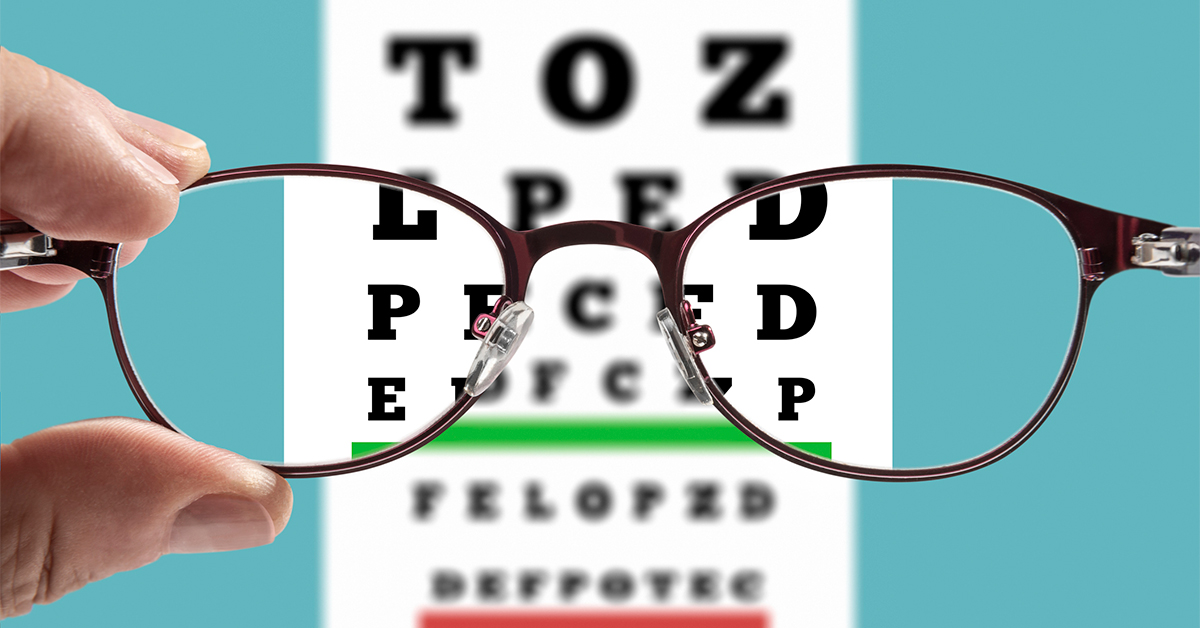
- Test visual acuity (how clearly they see at various distances)
- Evaluate how the eyes work together (tracking, focusing, depth perception)
- Check for common vision problems like nearsightedness, farsightedness, and astigmatism
- Look for any signs of lazy eye, eye turn, or other conditions
- Write a prescription if corrective lenses are needed
Many routine pediatric eye exams can be completed without dilating drops, though some children may need additional testing depending on their symptoms or exam findings.
Choosing frames: Making it fun
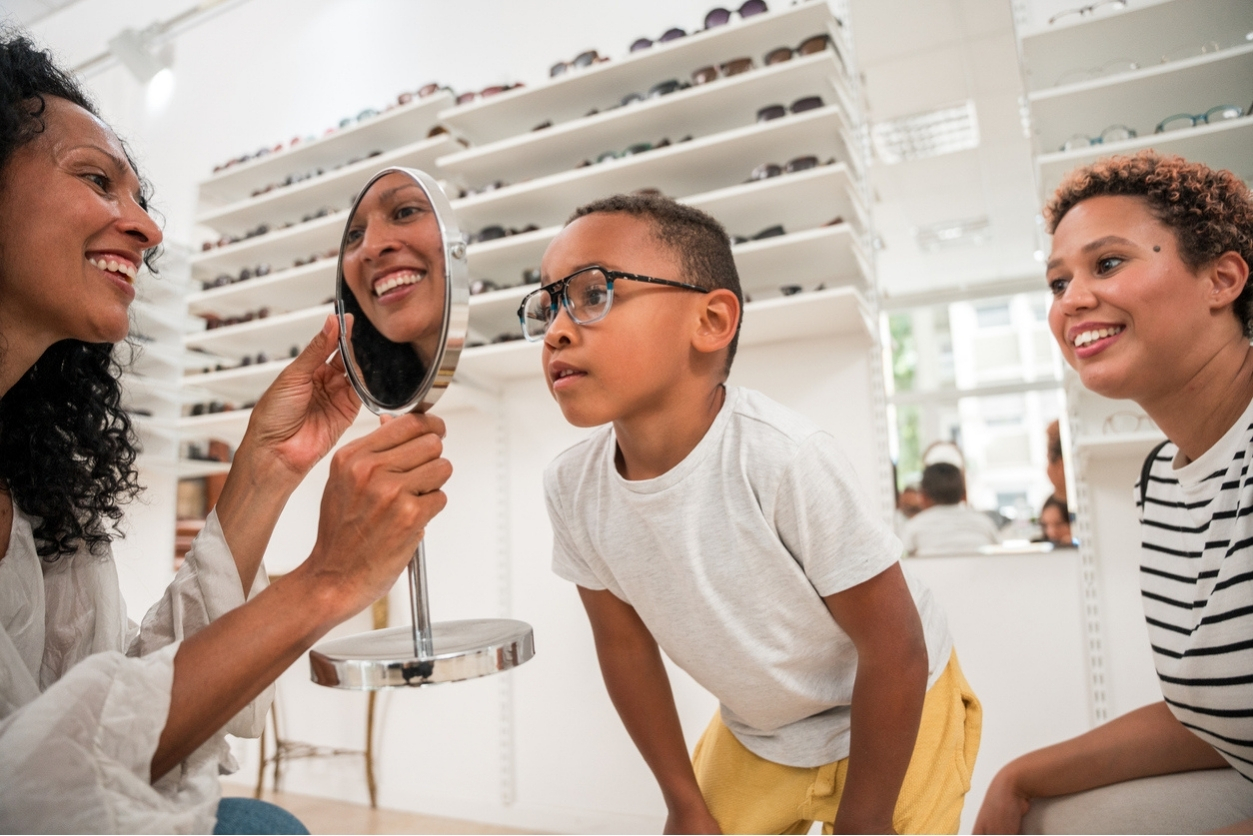
Here’s the secret weapon for getting kids to actually wear their glasses: let them pick the frames. When a child feels ownership over their glasses, they’re far more likely to wear them without a fight.
The Eye Care Center carries a wide selection of frames, and our opticians are experienced at helping kids (and their parents) find frames that fit well and feel like “them.” A few practical tips:
- For young kids, look for spring hinges and flexible frames — they hold up to active wear
- Polycarbonate lenses are impact-resistant and a smart choice for school-age kids
- Make sure frames fit well and don’t slide down the nose — uncomfortable glasses are less likely to be worn consistently.
- Consider a glasses strap or retainer for very young children or sports
Getting kids to wear them (yes, really)
Most kids adapt to glasses faster than their parents expect — especially once they realize how much clearer and easier everything looks. That said, a little strategy helps:
- Start with short stretches and gradually build to full-time wear if needed
- Keep glasses in the same spot every day so they don’t become a battle to find
- Point out favorite characters, athletes, or people they admire who wear glasses
- Focus praise on the habit rather than appearance — “You’re taking such good care of your eyes” goes a long way
If your child is consistently refusing to wear them, that’s worth mentioning at their next visit — sometimes the prescription needs a small adjustment, or the fit is off.
” Most kids are amazed the first time they put on their glasses and see how much they’ve been missing. Once that happens, getting them to wear their glasses usually isn’t the hard part anymore — it’s getting them to take them off. “
Austin Peterson, OD
Welia Health Optometrist
What about follow-ups?
Kids’ eyes change fast, especially during growth spurts. Plan on an annual eye exam to make sure the prescription is still right. In the meantime, watch for signs the prescription may need updating: squinting, frequent headaches, or holding things close to their face again.
Start with a well-child visit. We’ll take it from there.
Vision screening is part of every well-child visit at Welia Health Family Medicine. Call 320.679.1313 or log in to MyChart to schedule online.
If a concern is identified, we’ll refer your child to the Eye Care Center — right here on the Mora campus — for a full exam and to determine the next steps. You can reach the Eye Care Center by calling 320.679.2020.