

 MyChart
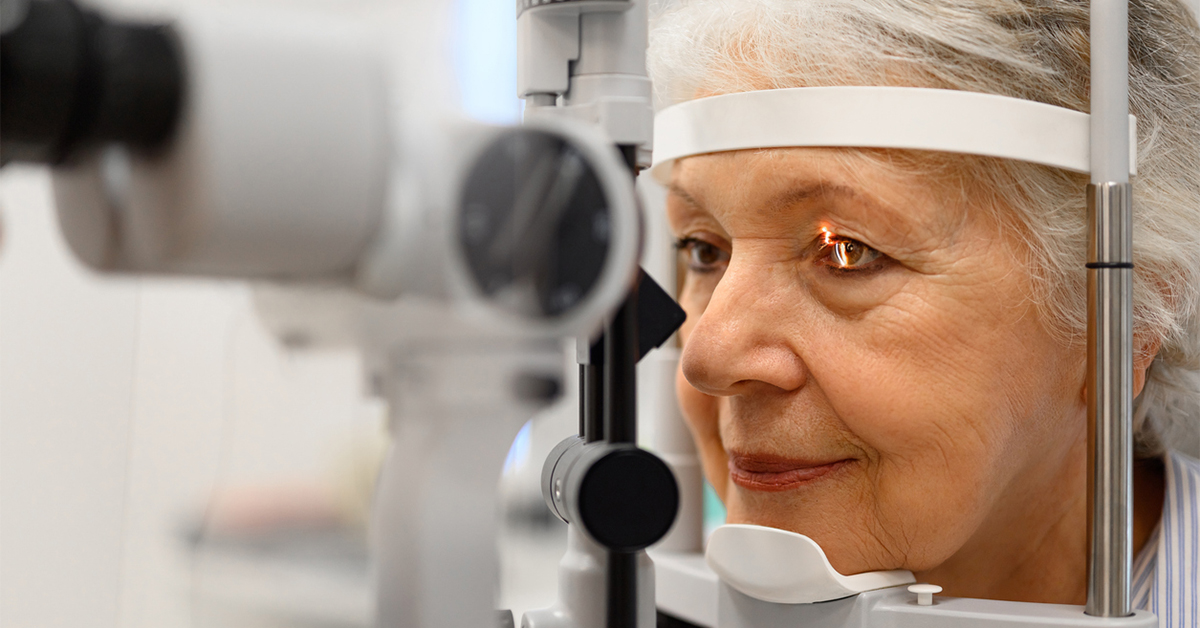
Remember that puff test at the eye doctor? The one that makes you flinch every time, no matter how many times you’ve done it? It’s been the go-to for checking intraocular eye pressure (IOP) for years. But here’s some good news: we now have better options that are more comfortable and accurate.
At Welia Health, we’re using new technology to screen for glaucoma that makes the experience much easier for our patients.
What is glaucoma?
The National Eye Institute defines glaucoma as a group of eye diseases involving increased pressure in the eye that can damage the optic nerve and lead to vision loss and blindness. Symptoms can start so slowly that you may not notice them. The only way to find out if you have glaucoma is to get a comprehensive eye exam.
While there is no cure for glaucoma, early treatment can often stop the damage and protect your vision.
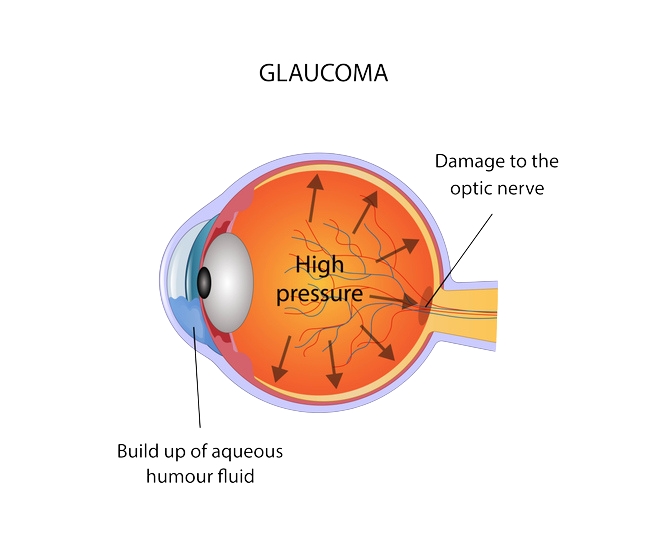
And this isn’t a rare condition. Glaucoma is the leading cause of irreversible blindness, affecting about 4.2 million Americans. Unfortunately, most people don’t know they have it until they start losing their vision.
That’s why regular eye exams are so important—especially if you’re over 60, have diabetes, or have family members with glaucoma.
The traditional puff test: What you should know
The puff test has been a reliable way to check IOP for many years. It works by blowing a quick burst of air at your eye to measure pressure. It’s fast and doesn’t require numbing drops.
But here’s the thing—many patients find it:
- Uncomfortable – The puff can be startling, especially if you’re already nervous about eye exams
- Variable – Results can change if you blink or move during the test
- Limited – It measures pressure at one moment in time
Keep in mind that eye pressure is just one part of glaucoma screening. Some people develop glaucoma even with normal pressure, while others have high pressure but never develop the disease. That’s why newer technology can be helpful—it gives us a more complete picture.
New glaucoma screening technology: What makes it different?
The new technology we’re using gives us a much clearer picture of your eye health.
- Instead of blowing air at your eye, we use a small tool that gently touches your eye after we put in numbing drops. You won’t feel a thing.
- The readings are precise and consistent, so we don’t have to repeat the test multiple times.
- We can measure your cornea thickness and other factors that affect your glaucoma risk, which helps us spot problems earlier.
With detailed records over time, we can catch small changes before they become big problems.
” What I love about this technology is that we’re catching problems earlier than we used to. That means we can protect your vision before you ever notice something’s wrong. “
Joe Mork, OD
Welia Health Optometrist
Who should get glaucoma screening?
Anyone getting an eye exam can benefit, but it’s especially important if you’re over 60, have family members with glaucoma, have diabetes, are African-American or Hispanic, feel anxious about the puff test, or have had inconsistent pressure readings in the past.
What to expect during your glaucoma screening
The actual screening is surprisingly simple:
Step 1: We put numbing drops in your eyes. You might feel a brief cool sensation, but they work fast.
Step 2: After a minute, we use a small tool that lightly touches your eye for just a second. You won’t feel the touch itself.
Step 3: And you’re done. The whole process takes just a few minutes, and you can get back to your day. The numbing wears off in about 15-20 minutes.
Understanding your glaucoma test results
Your provider will explain your results, but here’s what we’re looking at:
- Eye pressure: Normal eye pressure is usually between 10-20 mmHg, but your provider looks at the whole picture, not just one number.
- Cornea thickness: Cornea thickness affects how we read your pressure. Thicker corneas can make pressure readings appear higher than they are. Thinner corneas can hide high pressure.
- Your overall risk: We look at all your risk factors together— test results, family history, age, and other health conditions.
What this means for you
Early detection makes all the difference in glaucoma screening. With this new diagnostic technology, we’ve taken a real step forward. Tonometry is more comfortable, more accurate, and gives us better information to protect your vision.
If you’re due for an eye exam or worried about glaucoma, we’re here to help. Call the Welia Center Eye Care Center at 320.679.2020 or log into MyChart to schedule an appointment.
Keeping your eyes healthy is our team’s top priority.