

 MyChart
As our warm Minnesota summer days turn to fall, you can be sure of one thing – an abundance of tomatoes.. Our climate is perfect for growing these delicious fruits, and home gardens and local farmers’ markets are overflowing with the bounty.
While store-bought tomato sauces offer convenience, they often come with added sugars, excess sodium, and preservatives. Making your own from scratch, especially with ripe, local tomatoes, is a fantastic way to capture the flavor of the season and add a nutritional boost to spaghetti night! Homemade tomato sauce is rich in Vitamin C, Vitamin A, and antioxidants, and you have complete control over every ingredient that goes in.
Before we get to the recipe, let’s talk about how to select and care for these perfect red gems.
Tomato Harvest 101
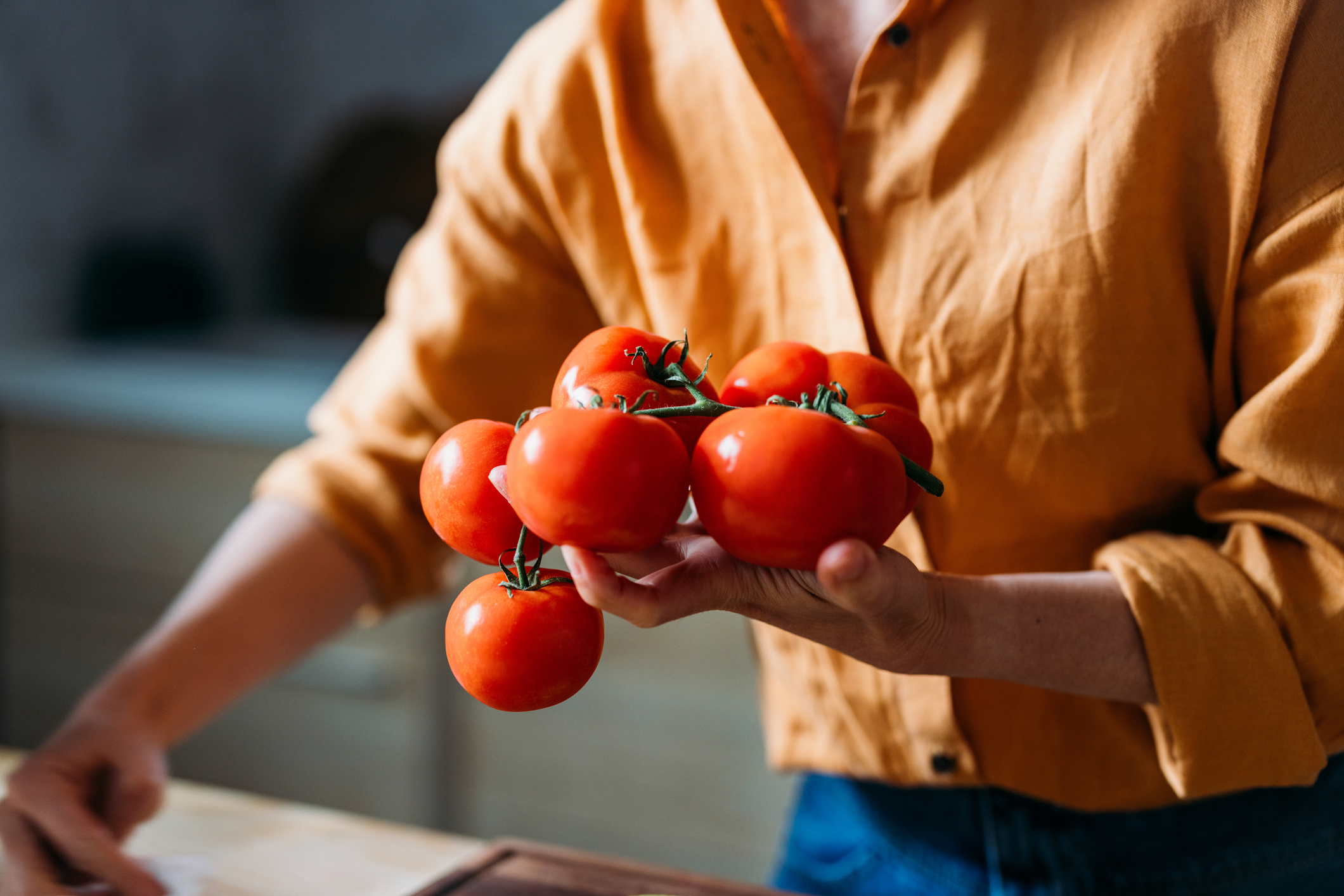
How to tell if a tomato is ripe: Color isn’t always the best indicator. Instead, look for these clues:
- The squeeze test: A ripe tomato should feel firm but give slightly to the touch.
- The nose test: Give it a sniff near the stem. A ripe tomato should have a sweet, earthy, and “vegetal” aroma—a fresh scent that smells like a mix of garden soil and sweet fruit.
- The tug test:: A tomato that is ready to be picked will release from the vine with a gentle tug.
How to store fresh tomatoes: To preserve their delicious flavor and texture, never store fresh tomatoes in the refrigerator. Chilling them ruins their texture and diminishes their natural sweetness.
- Unripe tomatoes: Store them on your countertop in a single layer, out of direct sunlight.
Ripe tomatoes: Keep them at room temperature on the counter, stem-side down. They are best used within a few days.
How to Pick the Right Tomato for Sauce: Not all tomatoes are created equal when it comes to making sauce. For a thick, rich sauce, look for varieties with less water and more “meat,” such as:
- Roma tomatoes: The classic choice for sauce-making, with dense flesh and fewer seeds.
- San Marzano: Considered the “gold standard” for Italian sauces due to their sweet flavor and low acidity.
- Other paste tomatoes: Look for varieties like ‘Amish Paste’, ‘Federle’, or ‘Jersey Devil’. If you’re a home gardener, the University of Minnesota Extension often has recommendations for varieties that thrive in our northern climate.
Fresh Tomato Sauce Recipe
Prep: 20 minutes | Cook: 35 minutes | Total: 55 minutes | Serves: 4
Ingredients
- 3 pounds medium on-the-vine tomatoes
- 2 tablespoons extra-virgin olive oil
- ⅓ cup finely minced shallot
- 2 large garlic cloves, finely minced
- ½ teaspoon sea salt
- Freshly ground black pepper
- 1 tablespoon tomato paste
- 2 teaspoons balsamic vinegar
- ¼ teaspoon cane sugar
- ¼ teaspoon dried oregano
- ¼ teaspoon red pepper flakes
- 1 sprig fresh basil
Instructions
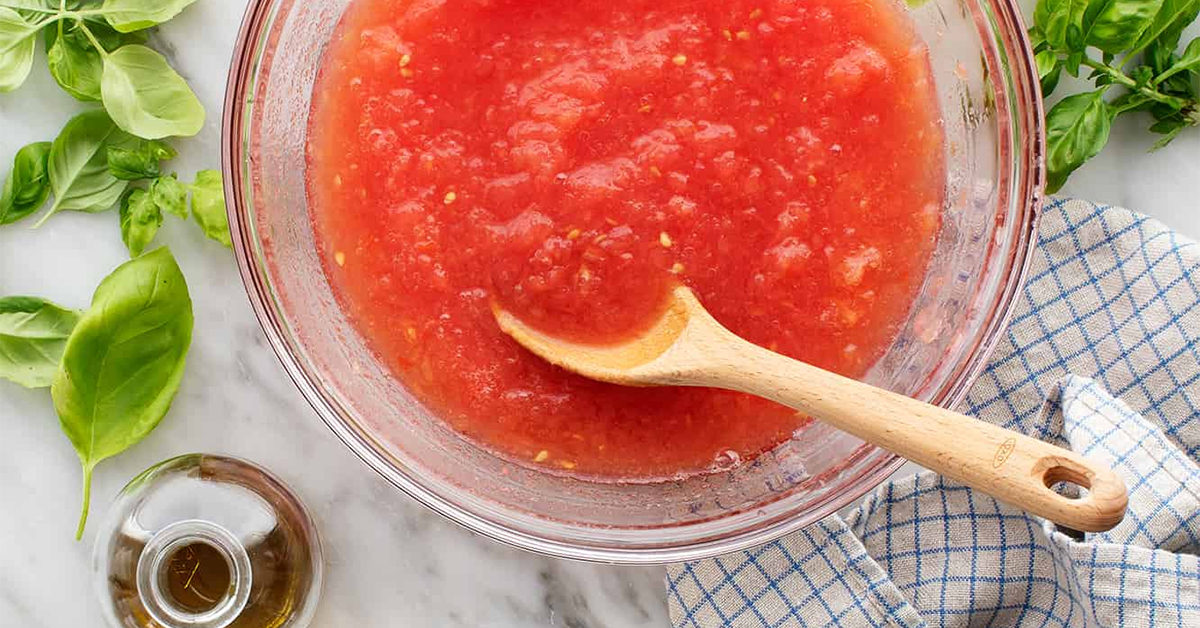
- Slice the tomatoes in half and scoop out the seeds. Set a box grater over a large bowl and press the cut side of the tomato flesh against the large holes of the grater. Grate the tomato flesh into the bowl, leaving the skins behind. This quick trick saves you the time of blanching and peeling!
- Heat the olive oil in a medium pot over low heat. Add the shallot, garlic, salt, and a few grinds of pepper and cook for 3 minutes, stirring often. Shallots offer a milder, sweeter flavor than a regular onion, but a small yellow onion works well as a substitute if you prefer.
- Add the tomatoes, tomato paste, balsamic vinegar, cane sugar, oregano, red pepper flakes, and basil sprig. Cover and simmer over low heat for 30 minutes, stirring occasionally. Remove and discard the basil sprig and season to taste.
Nutritional Information
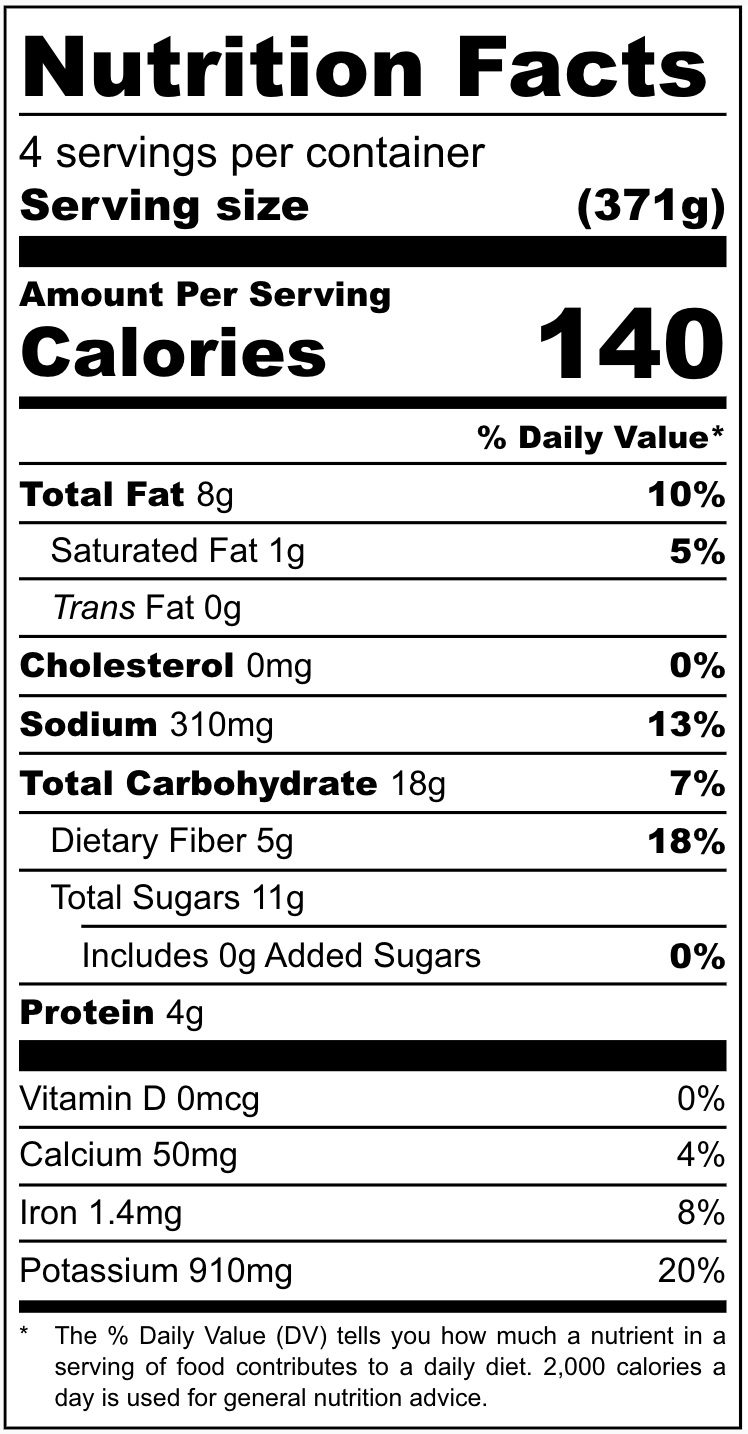
Curious about the goodness you’re getting? Here’s a breakdown:
Serving size: ½ cup: 140 calories | 8g total fat | 1g saturated fat | 0g trans fat | 0g cholesterol | 310g sodium | 18g total carbohydrate | 5g dietary fiber | 0g total sugars | 4g protein
Source: Love and Lemons
Still Have an Abundance of Tomatoes?
Don’t let the harvest go to waste! It’s easy to preserve them for use all winter long.
- Freezing: This is the simplest method. Simply wash your tomatoes, remove the stems, and place them whole in a freezer-safe bag. The skins will slip right off once thawed.
- Roasting: Roasting tomatoes with a little olive oil and garlic before freezing adds a deep flavor. Once roasted, mash them and freeze in small batches.
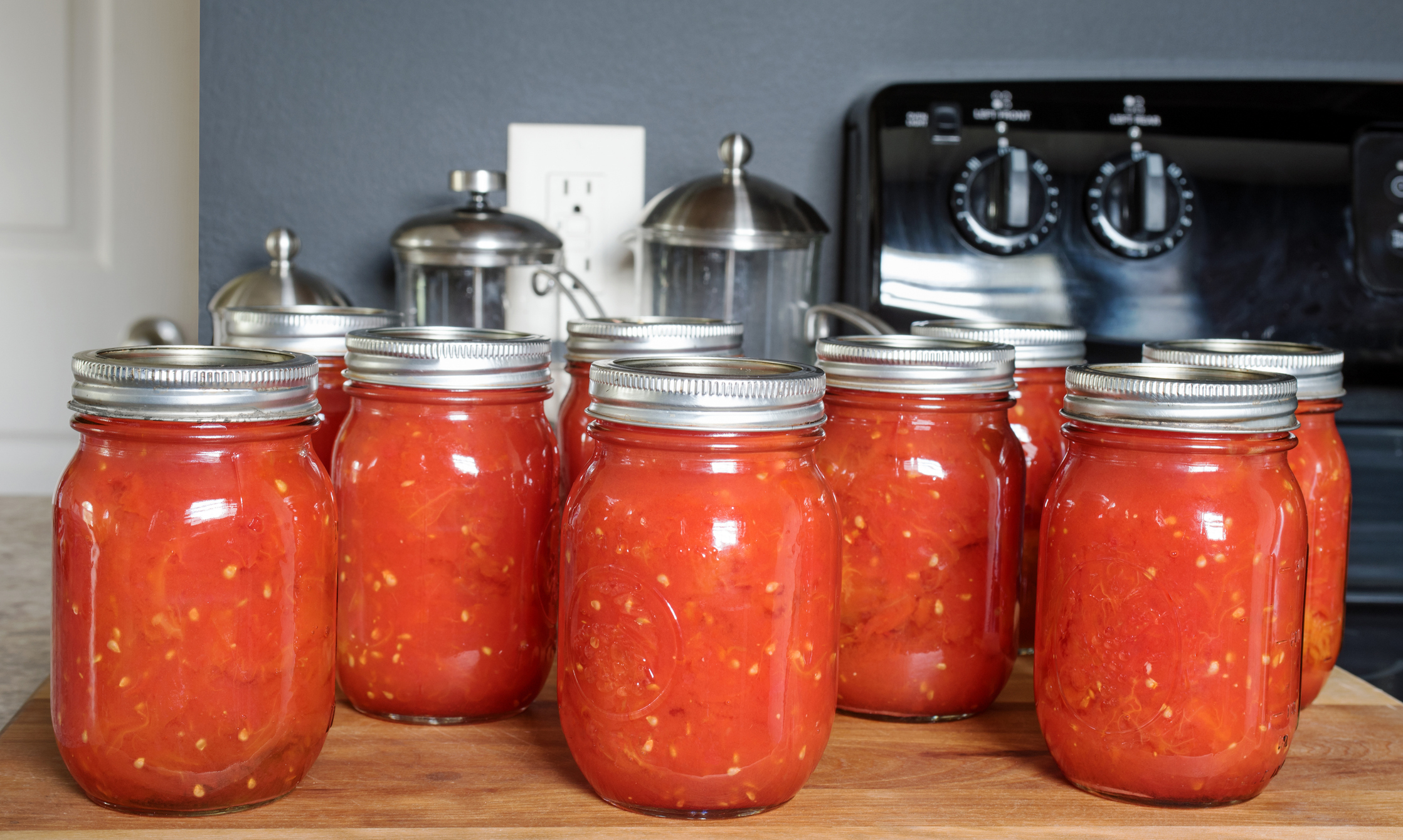
- Canning: For a shelf-stable sauce that’s ready to go, canning is a great option. It requires a bit more equipment and care to ensure food safety, but the reward is having homemade sauce available year-round. Be sure to follow USDA guidelines, which include adding a small amount of acid (like bottled lemon juice or citric acid) to each jar to ensure a safe pH level.
So forget the store-bought jars of tomato sauce. Fresh, homemade and healthy isn’t hard to do!