

 MyChart

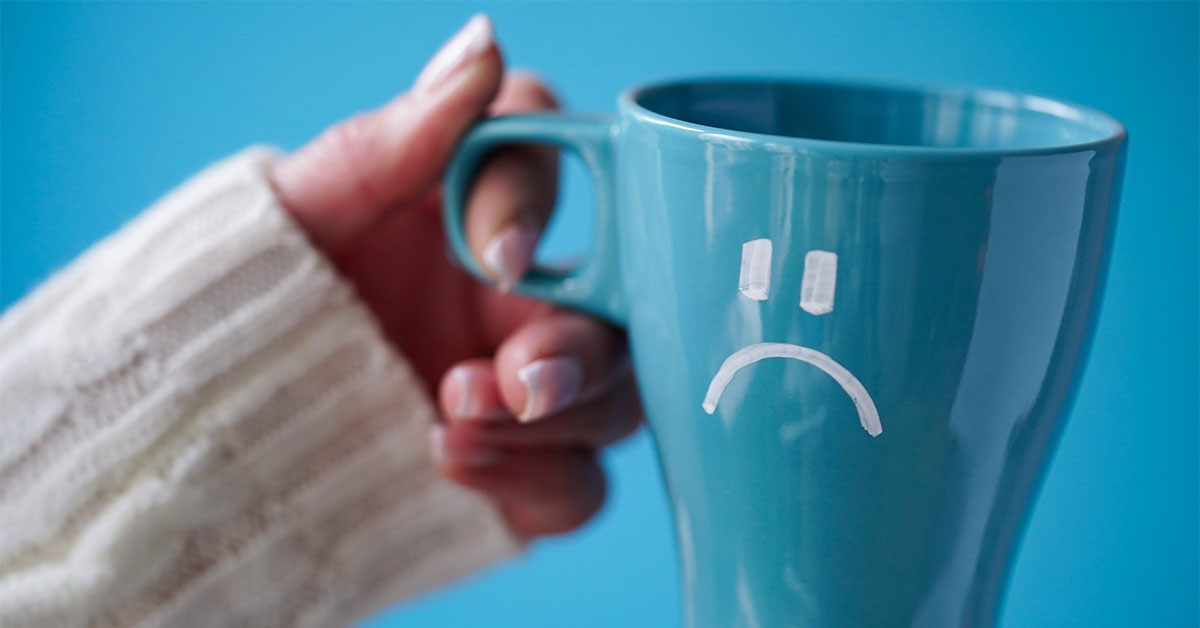
Parenting a teenager has never been easy. But a lot of parents today describe something that feels different—a level of withdrawal or emotional heaviness that’s hard to read—and even harder to bring up.
They’re not imagining it. Teen mental health has become one of the most pressing public health concerns of the past decade. According to the CDC’s Youth Risk Behavior Survey, 40% of high school students reported persistent feelings of sadness or hopelessness in 2023. That’s up from about 30% just a decade ago.
The good news is that awareness and early action matter. Knowing what to look for—and trusting yourself enough to act on it—may be the most important thing you can do for your teen right now.
What’s driving the rise in teen mental health challenges?
There’s no single answer. Researchers point to a mix of factors—social media, academic pressure, social comparison, and the lasting effects of the pandemic on routines and development.
It’s also worth remembering that the teenage brain is genuinely still a work in progress. The prefrontal cortex—the part that handles emotional regulation and decision-making—doesn’t fully mature until the mid-20s. That’s not an excuse; it’s context. Teens aren’t being dramatic. They’re often working with neurological equipment that isn’t finished yet.
The fact that more young people are willing to name what they’re going through is real progress. But disparities remain—girls and LGBTQ+ youth continue to report significantly higher rates of struggle, and that gap deserves attention.
Normal moodiness vs. something more
Teenagers are supposed to be moody. They pull away, sleep in, roll their eyes. So how do you know when it’s something else?
The short answer: look for patterns—and persistence over time. A hard week after a breakup or during finals is normal. What’s worth paying closer attention to is a shift that lasts weeks—or one that starts changing how your teen functions day to day.
Here are some of the most common signs to watch for:
- Social withdrawal — Pulling away from friends, family, or things they used to love
- Sleep changes — Sleeping far more or less than usual
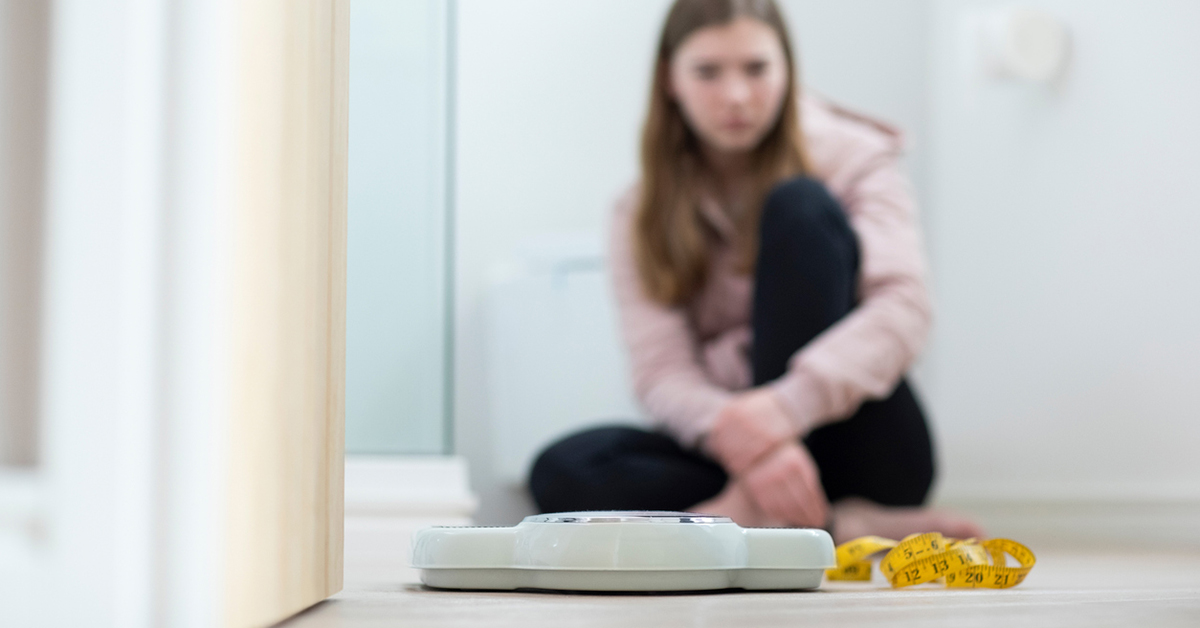
- Physical changes — Noticeable shifts in appetite or unexplained weight changes
- Academic decline — Dropping grades, skipping class, checked out
- Emotional changes — Irritability or outbursts that feel out of proportion to what’s happening
- Persistent hopelessness — Talking about feeling worthless or like a burden to others
- Immediate red flags — Giving away prized possessions, unusual goodbyes, or any mention of self-harm or suicide
” Teen mental health isn’t about fixing them; it’s about walking beside them. Your attention, patience, and ability to have open conversations matter more than perfect answers. “
Haley Hemmerich, MSW, LICSW
Welia Health Social Services
How to start the conversation
Teens shut down fast when they feel like they’re being interrogated. A few things that help:
- Go side-by-side, not face-to-face. The car, a walk, cooking dinner together—these feel safer than a formal sit-down. Less eye contact, less pressure.
- Lead with what you’ve noticed. “You’ve seemed really tired lately” lands differently than “Why are you being so distant?”
- Don’t rush to fix it. Your teen needs to feel heard before they’re ready for solutions. Sit with it a little longer than feels comfortable.
- Ask directly if you’re worried. It’s okay to say: “I’m concerned about you. Are you having any thoughts of hurting yourself?”
We’re here when you need us
If you’re seeing several of these signs—or they’ve been going on for more than a couple of weeks—don’t wait for things to get worse. Mental health conditions are treatable, and earlier really is better. Welia Health offers counseling and mental health services at our Mora clinic.
Ready to talk? We’re here.
Not sure if what you’re seeing is normal? Start with your child’s Welia Health Family Medicine provider. They can rule out other medical causes and connect your family with the right support. Call Welia Health at 320.679.1313 or log in to MyChart to schedule online.