


 MyChart
You’ve heard high blood pressure called “the silent killer.” But are you making decisions based on myths? Maybe you’ve stopped medication because you felt fine, or assumed you’re too young to worry. Let’s set the record straight about high blood pressure (hypertension)—what’s true, what’s not, and what could put your health at risk.
Myth #1: I’d feel it if my blood pressure was high.
- The truth: High blood pressure has no symptoms. You can feel perfectly healthy while it damages your heart, brain, kidneys, and blood vessels. By the time symptoms appear, your pressure may be dangerously high.
- What to do: Get your blood pressure checked at least every two years if you’re healthy—and more often if you have risk factors like family history, diabetes, obesity, or tobacco use.
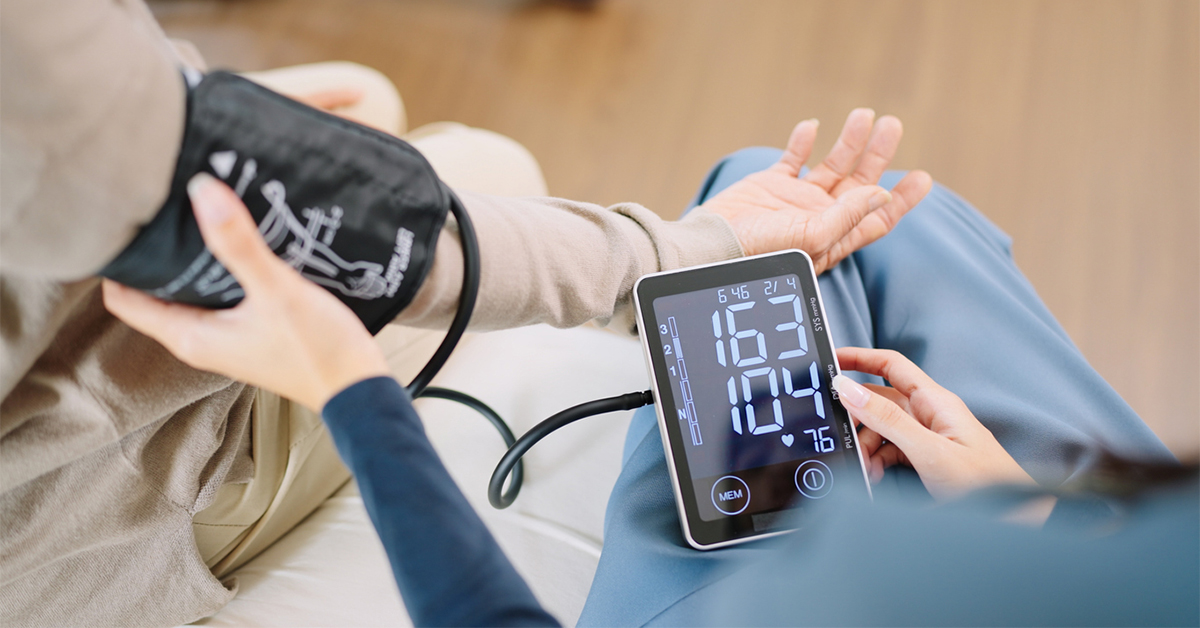
Thinking about checking your blood pressure at home? Good idea — and monitors are more affordable than ever. Just make sure you pick one that wraps around your upper arm. Upper arm monitors are the most reliable, giving your provider with accurate, useful numbers. Wrist and finger models can be tricky to use correctly and harder for your care team to interpret.
Myth #2: Only older people get high blood pressure.
- The truth: Nearly 1 in 4 adults ages 18–39 have hypertension—and many don’t know it. Young adults and even children can develop high blood pressure with obesity, poor diet, inactivity, or family history.
- What to do: Start monitoring early. Healthy habits now prevent problems later.
Myth #3: If I’m calm and not stressed, my blood pressure will be normal.
- The truth: Stress can temporarily raise blood pressure, but managing stress alone won’t prevent or cure hypertension. The real culprits are often unhealthy diet, physical inactivity, excess weight, and tobacco and alcohol use.
- What to do: Focus on overall heart-healthy living, not just stress management.

Myth #4: Just avoiding the salt shaker is enough.
- The truth: Most sodium comes from processed foods—bread, pizza, cold cuts, canned soups, cheese, and restaurant meals. Aim for no more than 2,300 mg of sodium daily—or less if your provider recommends it.
- What to do: Read nutrition labels. Choose fresh, whole foods when possible.
Myth #5: It runs in my family, so there’s nothing I can do.
- The truth: Genetics increase your risk, but don’t seal your fate. Healthy diet, regular exercise, maintaining a healthy weight, limiting alcohol, and not smoking all make a powerful difference.
- What to do: If it runs in your family, be extra vigilant. You have more control than you think.
Myth #6: I can stop my medication when my numbers are good.
- The truth: Your medication is working—that’s why your numbers look good. Stopping medication without medical guidance can cause your blood pressure to rise again—sometimes quickly and dangerously.
- What to do: Take medication as prescribed, even when you feel great. Concerned about side effects or cost? Talk to your provider—never stop on your own.
Myth #7: Natural remedies can replace my blood pressure medication.
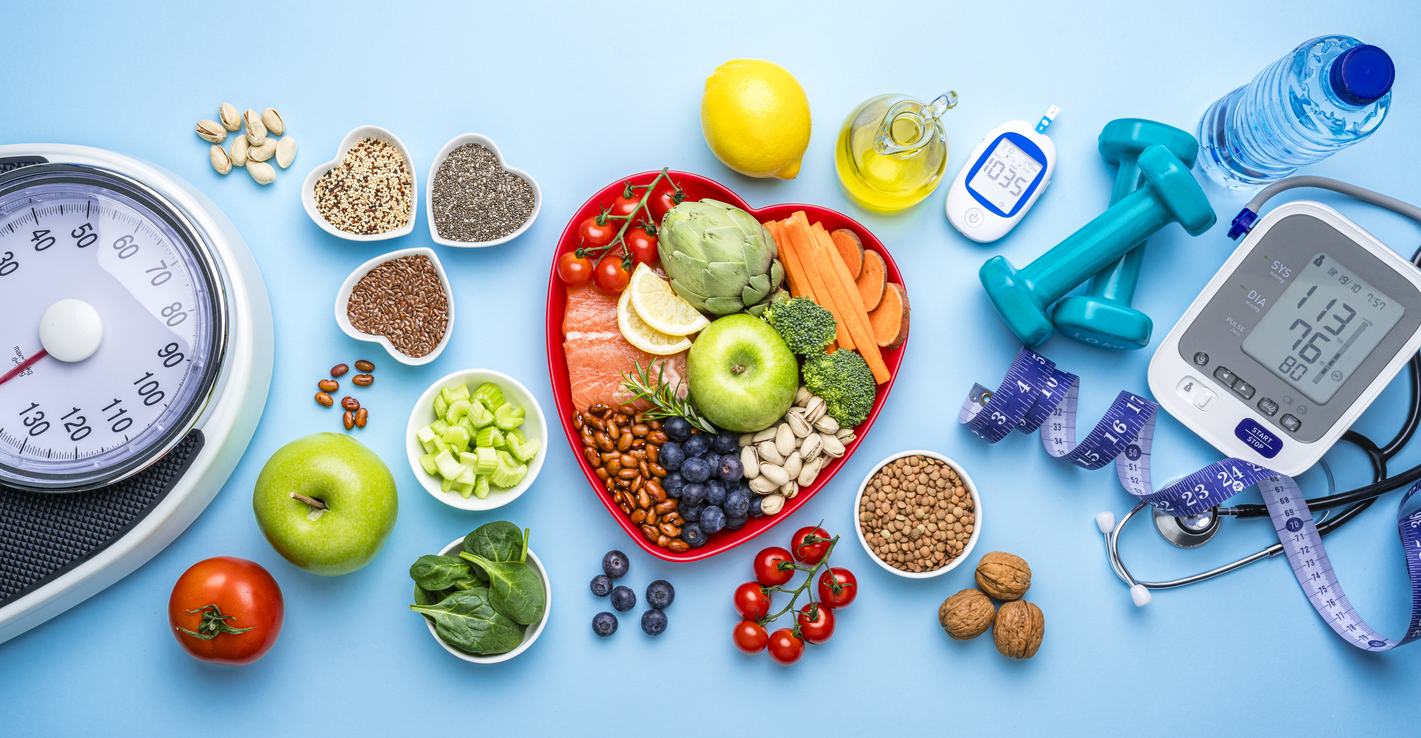
- The truth: Lifestyle changes can help lower blood pressure, but should never replace prescribed medication without your provider’s approval. Some people may reduce medication through sustained lifestyle changes—but only with medical supervision.
- What to do: Talk to your provider about treatment goals. Together, you cancreate a plan to manage blood pressure that may include both medication and lifestyle changes.
The bottom line
Managing high blood pressure comes down to:
- Getting checked regularly
- Taking medications as prescribed
- Focusing on lifestyle—diet, exercise, weight, alcohol, and tobacco
- Monitoring at home, if recommended by your provider
- Asking questions when you’re unsure
Ready to take the next step?
If you’re concerned about your blood pressure or risk factors, don’t wait for symptoms that may never come. Schedule a blood pressure check with your Welia Health provider today. Call 320.679.1313 or log in to MyChart to schedule an appointment online.
Taking that step today can help protect your heart for years to come.
Additional resources
- High Blood Pressure Tools and Resources—American Heart Association
- High Blood Pressure Facts—U.S. Centers for Disease Control and Prevention
- How to measure blood pressure (video)—Mayo Clinic