

 MyChart
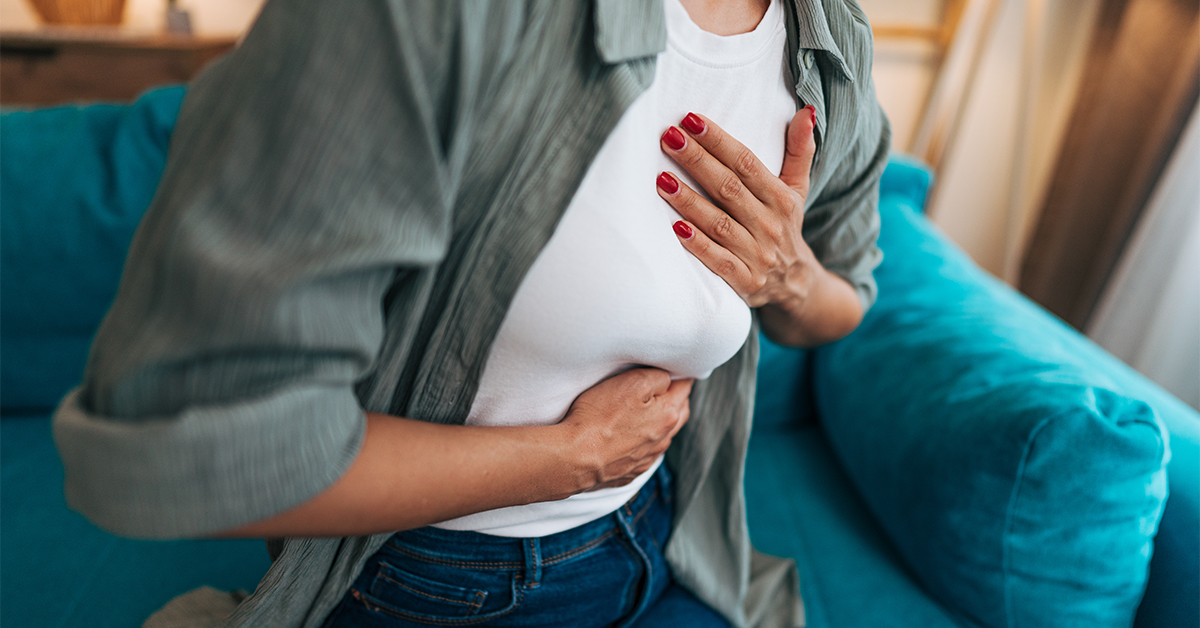
Picture this: You’ve been feeling unusually tired for days. Your upper back aches. You feel nauseous. Your first thought? Probably the flu, stress, or just getting older.
But what if it’s your heart?
Most of us picture a heart attack as sudden, crushing chest pain — the dramatic scene you see in movies. But for many women, it’s much quieter than that. It may feel like the flu, bad heartburn, or simple exhaustion. And because it doesn’t match what we expect, it’s easy to overlook.
Why heart attack symptoms in women are often missed
Heart disease is the leading cause of death for women in the United States. One in every five female deaths is caused by heart disease. Yet only about half of women know this is their biggest health threat.
Here’s part of the reason: For decades, heart attack research focused mostly on men. Women’s symptoms are often different — subtler and easier to dismiss. While chest pain is still common for both men and women, women often experience other warning signs that don’t seem heart-related at all.
Heart attack warning signs in women
Chest discomfort is still the most common symptom for women, but it may not feel dramatic. Women often describe it as:
- Pressure or squeezing
- Fullness or heaviness
- A burning feeling
- A sensation like a tight band around the chest
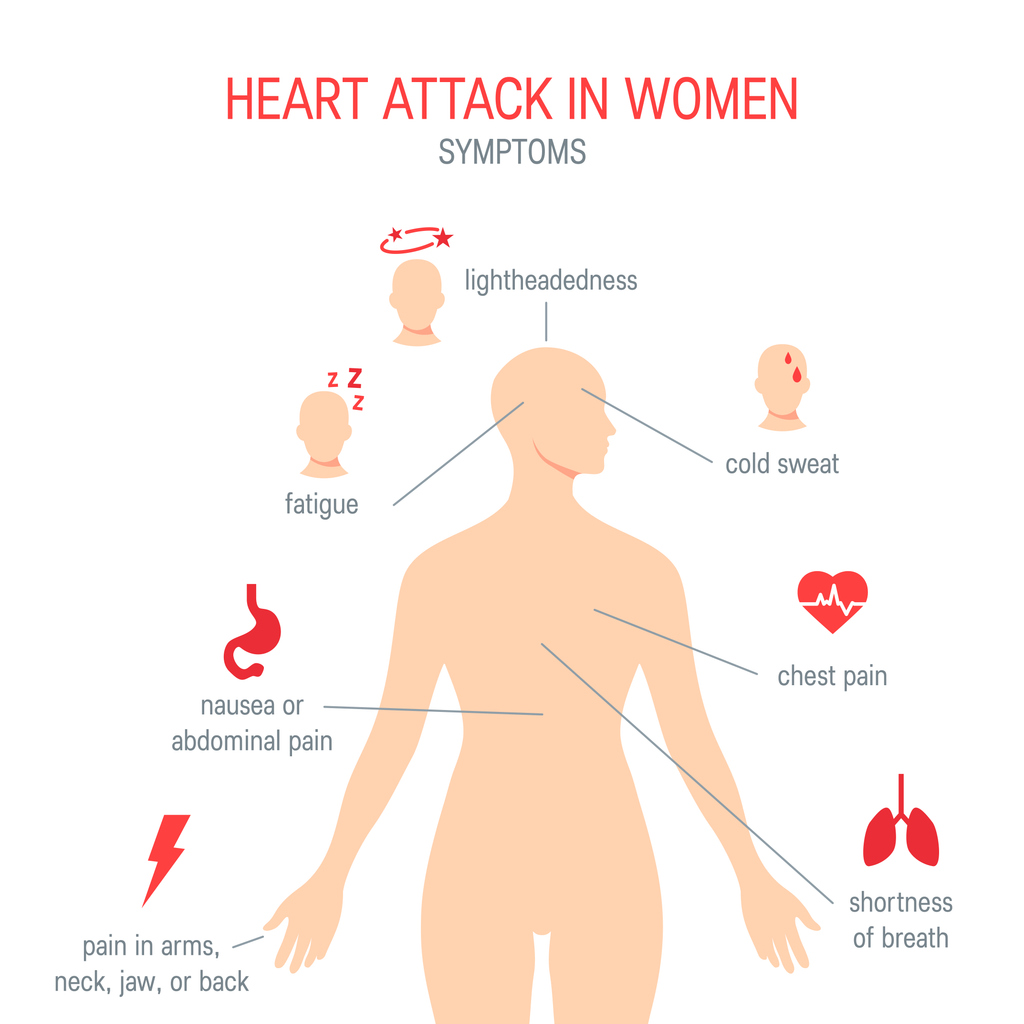
But many women have a heart attack without chest pain at all. According to the American Heart Association, watch for these warning signs:
- Extreme tiredness that feels unusual or won’t go away
- Upper body pain in your jaw, neck, back, or shoulder
- Shortness of breath (with or without chest discomfort)
- Nausea or vomiting
- Lightheadedness or dizziness
- Cold sweats (not from exercise or heat)
- Pain in your upper belly that feels like bad heartburn or indigestion
If men’s heart attacks tend to be obvious, women’s heart attacks often whisper. They’re subtle. Easy to explain away. Frequently blamed on stress, aging, or a stomach bug.
Why heart attack symptoms in women can feel different
Women’s hearts and blood vessels work a little differently from men’s. Women are also more likely to have issues in smaller arteries, which can lead to symptoms that feel different from the classic “major blockage” pattern people often hear about.
Hormones play a role, too. Before menopause, estrogen offers some protection for the heart. After menopause, that protection decreases — but symptoms still may not match the “typical” heart attack picture many people expect.
When to seek emergency care for heart attack symptoms
” Women are used to pushing through discomfort and putting others first. But when something feels different or unusual, that’s worth paying attention to. If you’re experiencing symptoms you can’t explain, don’t wait. Trust your instincts and seek care. Those early decisions can make all the difference. “
Heidi Deutschlander, APRN, CNP
Welia Health Women’s Health Provider
Studies show that women often wait longer than men to seek care. Maybe you think, “It’s probably nothing.” Maybe you don’t want to bother anyone or leave work. But when it comes to your heart, every minute counts.
If you’re having symptoms — especially if they’re new, severe, or just feel wrong — call 911. Don’t drive yourself. Don’t wait to see if they go away. Paramedics can start treatment right away, and those minutes truly matter.
How women can lower their heart disease risk
Even if you feel fine today, there are practical steps you can take to lower your risk:
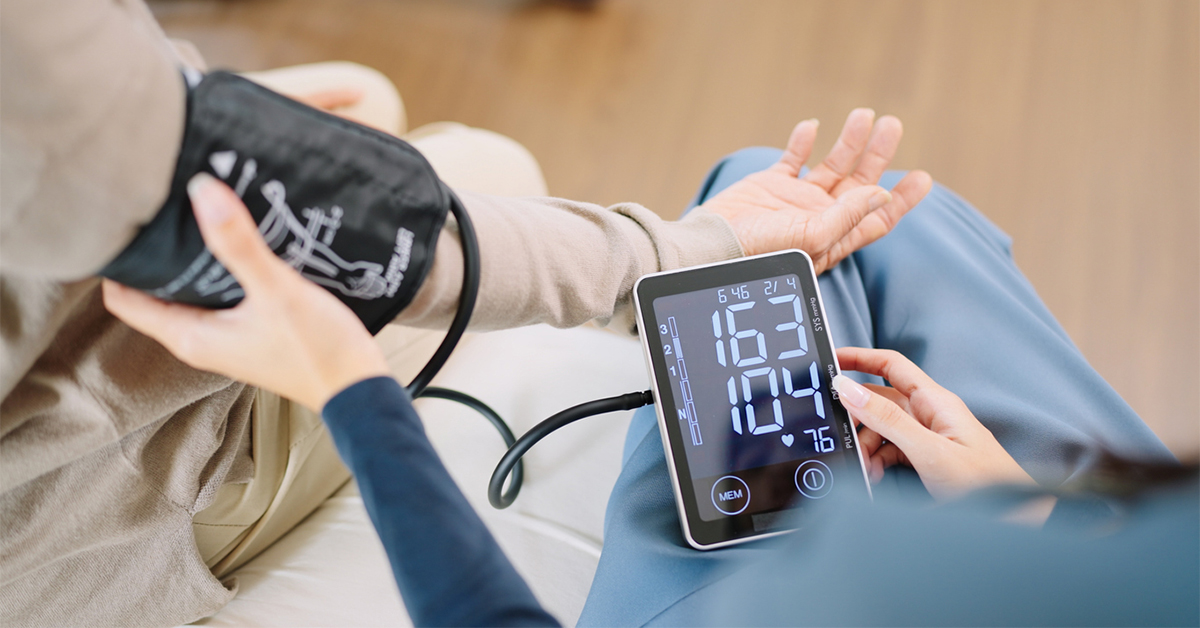
- Know your numbers: Check your blood pressure, cholesterol, and blood sugar regularly.
- Move your body: Aim for about 150 minutes of activity each week — walking absolutely counts
- Eat well: Focus on fruits, vegetables, whole grains, and lean proteins while limiting highly processed foods
- Manage stress: Find healthy ways to cope with life’s pressures
- Don’t smoke: If you do, quitting is one of the best gifts you can give your heart
- Know your family history: Heart disease often runs in families
Small, steady habits add up. Over time, they can significantly lower your risk.
The bottom line
Heart attack symptoms in women don’t always look the way we expect. They may feel fatigue, back pain, shortness of breath, or indigestion — not dramatic chest pain.
If something feels different or concerning, don’t ignore it. Don’t minimize it. And don’t wait. In an emergency, call 911 immediately.
Outside of an emergency, one of the most important steps you can take is building a relationship with a provider who knows your history and risk factors. At Welia Health, our Family Medicine providers partner with women at every stage of life to monitor heart health and stay ahead of problems.
If it’s been a while since your last check-up, schedule an appointment. Call 320.679.1313 or log in to MyChart to schedule online. Taking that step today can help protect your heart for years to come.