

 MyChart
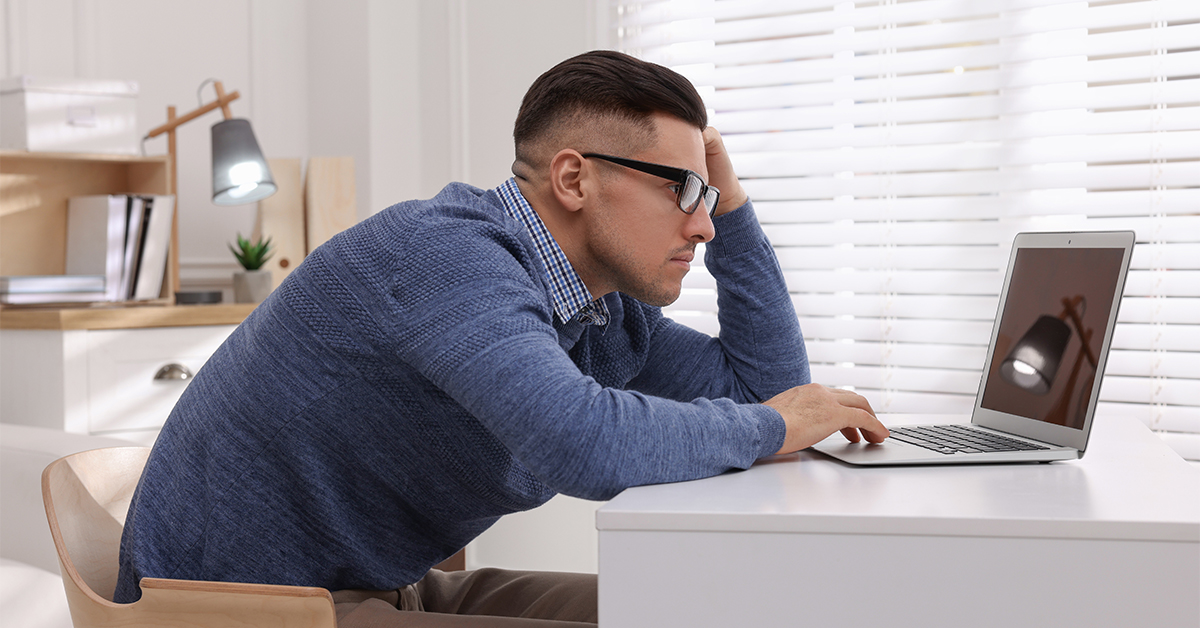
If your back or neck has been feeling tight, stiff, or tired lately, your posture may be part of the problem. The good news? A few simple adjustments to your daily routine can result in meaningful improvement.
Why posture matters
Good posture isn’t about standing up perfectly straight. It’s about aligning your body so your muscles, joints, and ligaments work efficiently. Hours spent sitting at a desk, driving, or hunching over can put increased stress on your spine, especially with poor posture. Unfortunately, this can lead to chronic pain, stiffness, headaches, and fatigue.
Common symptoms associated with posture
- Pain in the neck, shoulders, back, or hips
- Stiffness throughout the spine
- Tight or weakened muscles that support the spine
- Frequent headaches
- Jaw pain or tension
- Numbness or tingling in the arms or legs
” Posture isn’t about standing in a completely upright position—it’s about developing small, consistent habits that support your spine through your daily activities. Many of our patients feel relief quickly when they see how their daily habits affect their bodies. “
Andrew McCann, PT, DPT
Welia Health Physical Therapist
Small posture fixes that make a big difference
1. Reassess your workspace
A few ergonomic changes can dramatically reduce strain on the spine.
- Place your monitor directly in front of you at eye level.
- Keep feet flat on the floor and hips and knees at 90 degrees.
- Choose a chair that provides adequate support for natural spinal curves.
- Keep frequently used items within easy reach.
Check out this step-by-step guide: 7 Things You Need for an Ergonomically Correct Workstation.
2. Practice gentle chin tucks
Performing chin tucks helps alleviate the effects of forward head posture caused by prolonged screen time.
- Sit or stand with your back straight and your head held high.
- Gently pull your head straight back, drawing your chin to your throat.
- Hold for 2–3 seconds, repeat 8–10 times.
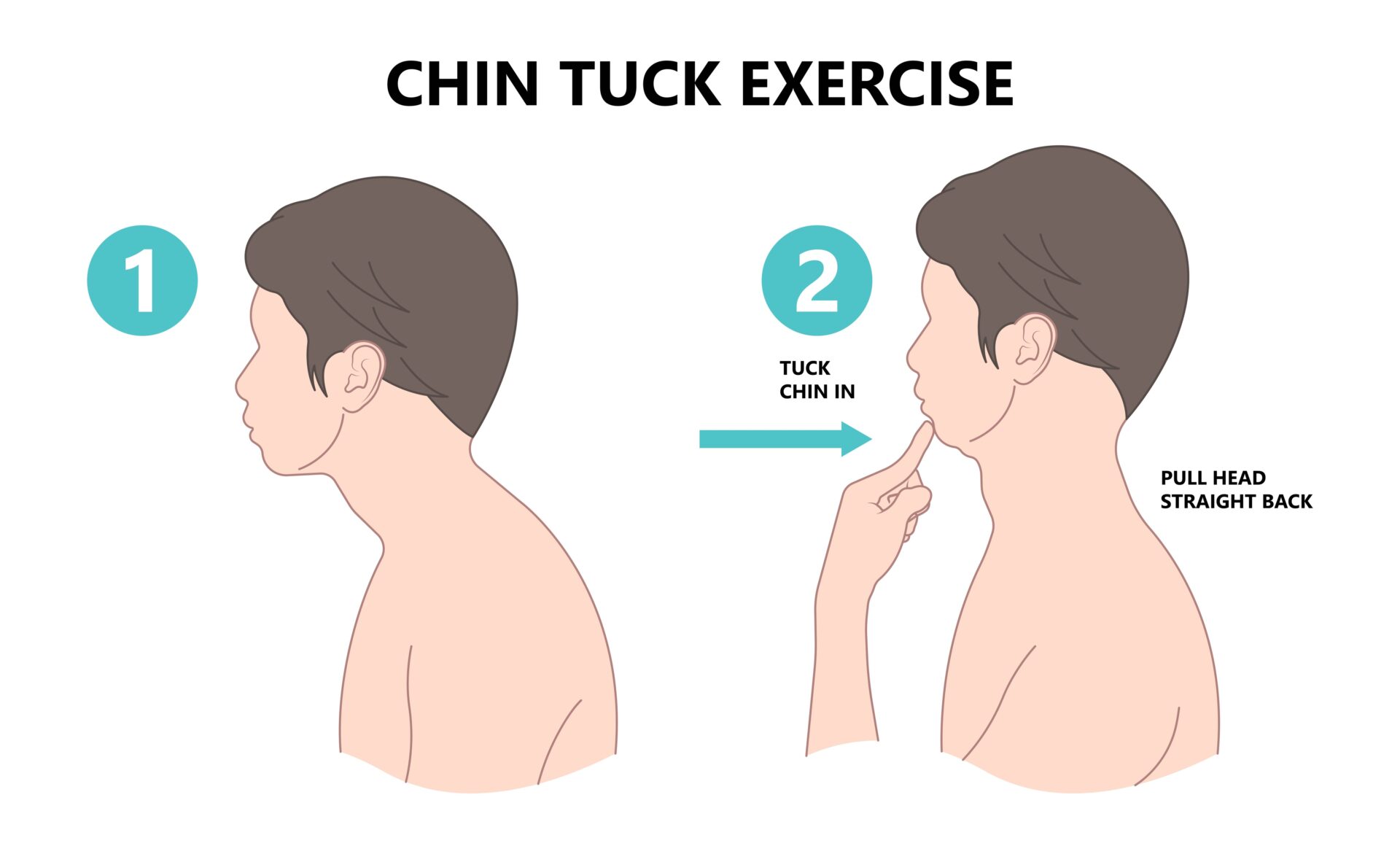
This short video illustrates a proper chin tuck.
3. Strengthen your core
Having a strong core allows your entire torso to stabilize, reducing the strain on your neck and back. A little bit of strength goes a long way! Here are a few easy exercises you can try:
- Plank (10–20 seconds) | See it in action
- Bridge (8–10 reps) | See it in action
- Dead bug (8–10 reps per side) | See it in action
4. Stretch tight muscles
Sitting for extended periods can cause your chest, hip flexors, and upper traps to contract, pulling your posture forward. These stretches can help loosen these muscles:
- Doorway chest stretch (20–30 seconds) | See it in action
- Hip flexor lunge stretch (20–30 seconds) | See it in action
- Upper traps stretch (gentle side-bend of the head) | See it in action

5. Take regular breaks to move
Even the best posture can become stressful if held for too long. Break up sitting every 30–45 minutes. Consider working these into your daily routine.
- Stand for 1–2 minutes.
- Take a quick walk down the hallway
- Do a few shoulder rolls | See it in action
- Try some mini back extensions | See it in action
6. Check your posture during everyday activities
Small movements add up over time.
- Driving: Keep your shoulders relaxed and your head against the headrest.
- Cooking and cleaning: Try not to lean over counters or bend forward when you vacuum.
- Phone use: Lift your device toward eye level to avoid “text neck.”
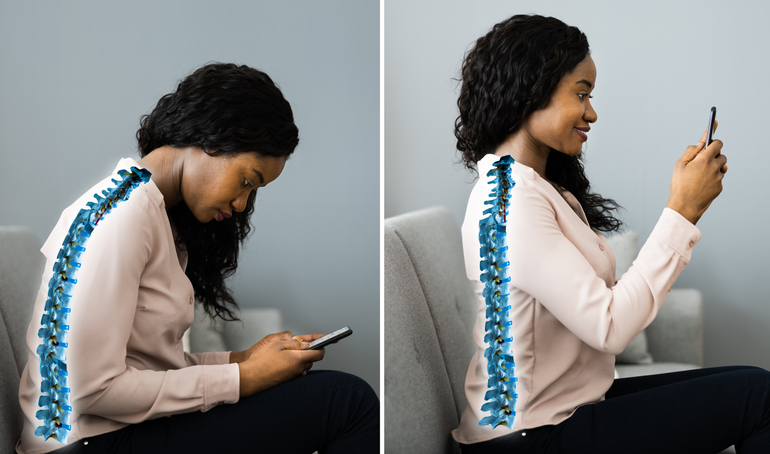
7. Make posture part of your movement, not just sitting
Good posture is key when sitting, but it’s also crucial during all your daily activities. Consider the following:
- Lifting and carrying objects: Engage your core to provide additional stability to your lower back.
- Exercising: Pay attention to how you are positioning your body during exercises.
- Walking and standing: Maintain a stable spine during all walking and standing tasks.
The bottom line
If efforts to improve your posture aren’t relieving your pain, consider seeing a Welia Health physical therapist. We can help identify underlying issues such as muscle imbalances, joint stiffness, or ergonomic contributors, then create an exercise plan tailored to your goals and daily routines.
Call Welia Health’s Rehabilitation Services at 320.225.3356 to schedule an appointment or learn how physical therapy can support your posture and long-term comfort.