

 MyChart
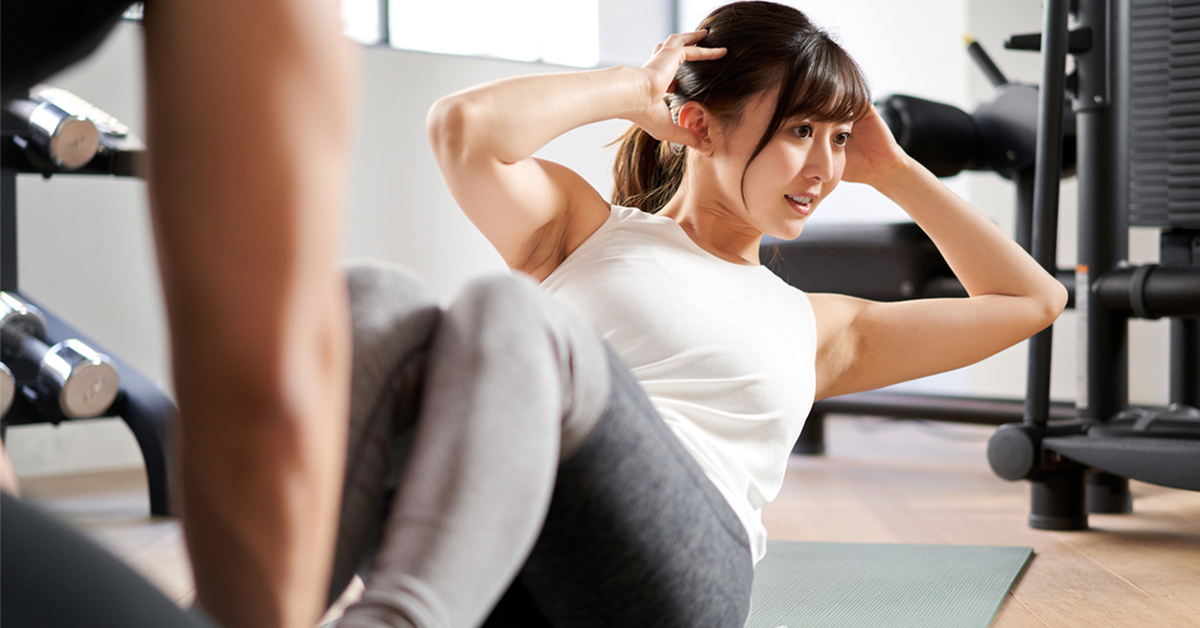
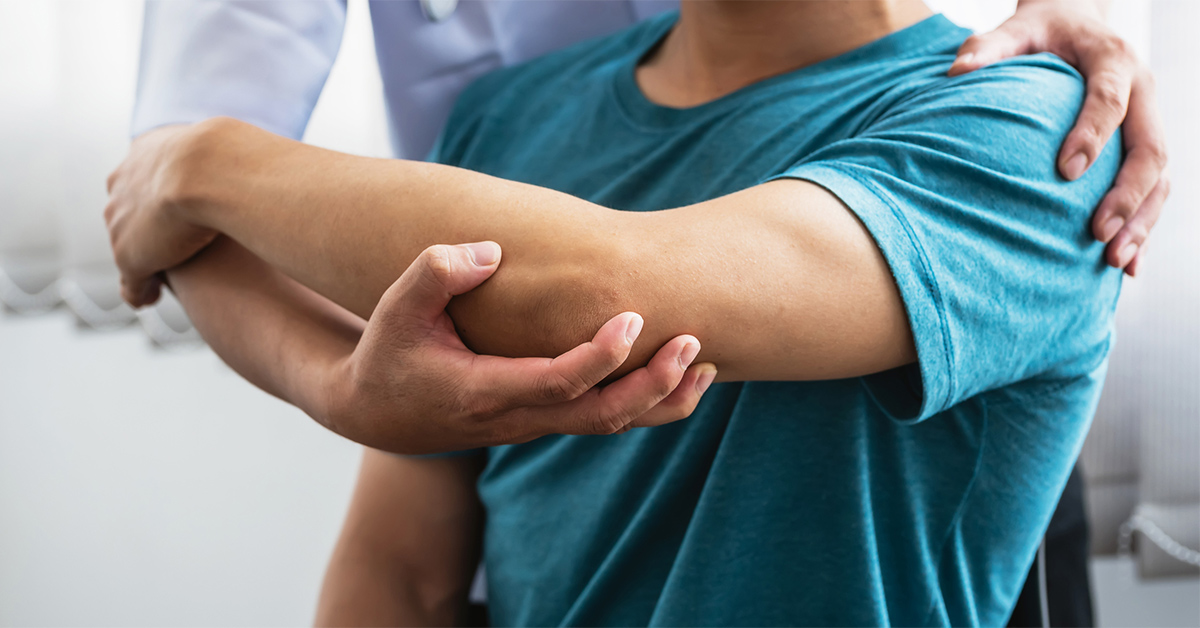
When most people hear “core strength,” they think of sit-ups or six-pack abs. But your core is much more than visible muscles—it’s a group of deep, interconnected muscles in your torso, including the abdominals, obliques, back, hips, and pelvis. These muscles work together to stabilize your spine, protect your organs, and provide the foundation for almost every movement you make.
From everyday tasks like carrying groceries or climbing stairs, to sports performance and safe recovery after injury, your core is quietly doing its job in the background. At Welia Health’s Rehabilitation Department—with a dedicated team of physical therapists, occupational therapists, sports medicine specialists, and athletic trainers—we see daily how building and maintaining core strength is essential for wellness and long-term independence.
Why core strength matters
- Injury prevention – A strong, stable core reduces excess strain on your spine and joints, lowering the risk of back pain, falls, sprains, and overuse injuries.
- Improved balance and stability – Core muscles act like a natural stabilizing belt, keeping you steady whether you’re navigating icy Minnesota sidewalks or competing on the court.
- Better posture and breathing – Good core strength supports proper spinal alignment, which helps reduce tension, ease pain, and even improve lung capacity.
- Stronger, safer movement – Everyday activities—lifting a child, working in the yard, or shoveling snow—are easier and safer when powered by a well-trained core.
“Core strength isn’t just about fitness—it’s about function. A healthy core protects you from injury, improves balance, and makes daily tasks easier. It really is the foundation for lifelong movement, independence, and quality of life.”
Emily Richardson, LAT, ATC
Welia Health Physical Therapist
Core health at every age and stage
- For athletes – Athletic trainers emphasize core stability to enhance agility, power, and endurance, while preventing sports-related injuries.
- For workers – Occupational therapists teach proper posture, lifting techniques, and core mechanics to reduce strain from repetitive motions or heavy physical demands.
- For patients recovering from injury or surgery – Physical therapists develop safe, progressive exercise programs to restore stability and prevent re-injury.
- For older adults – Core strength plays a critical role in reducing fall risk, improving balance, and supporting mobility for daily independence.
Simple, accessible ways to strengthen your core
You don’t need a gym or advanced equipment to begin building core strength. Safe, low-impact exercises can be done at home and incorporated into your routine:
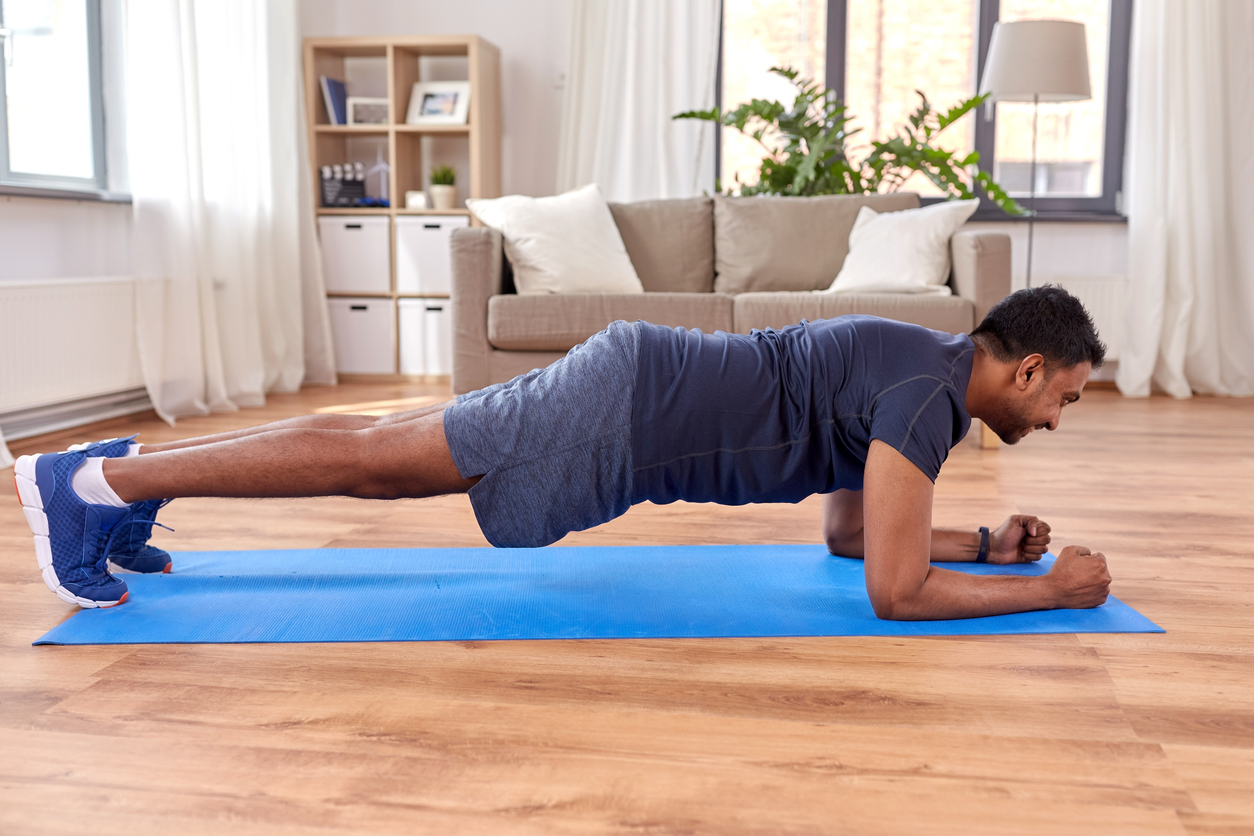
- Planks or modified planks (resting on your knees) to build stability
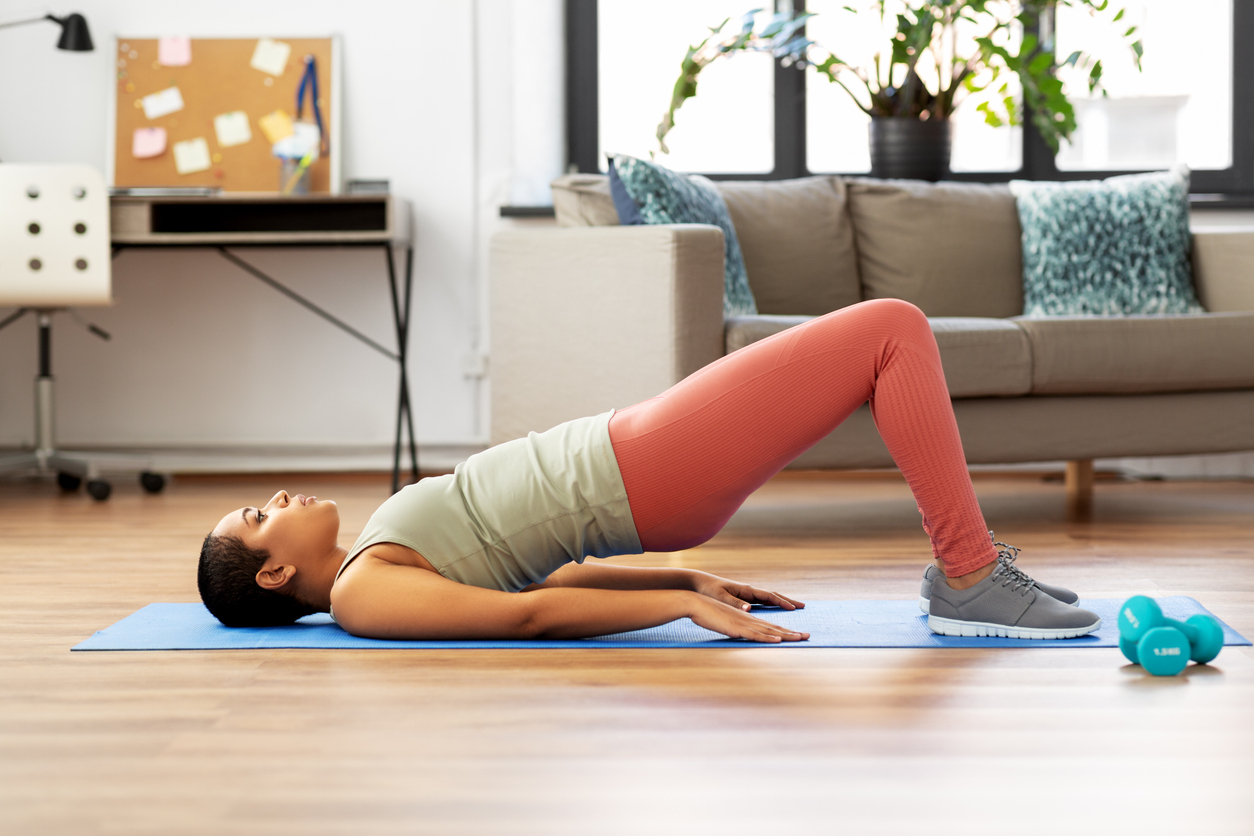
- Bridges (lifting hips while lying on your back) to strengthen glutes and spine-supporting muscles
- Balance activities like standing on one foot while brushing your teeth to improve coordination and control
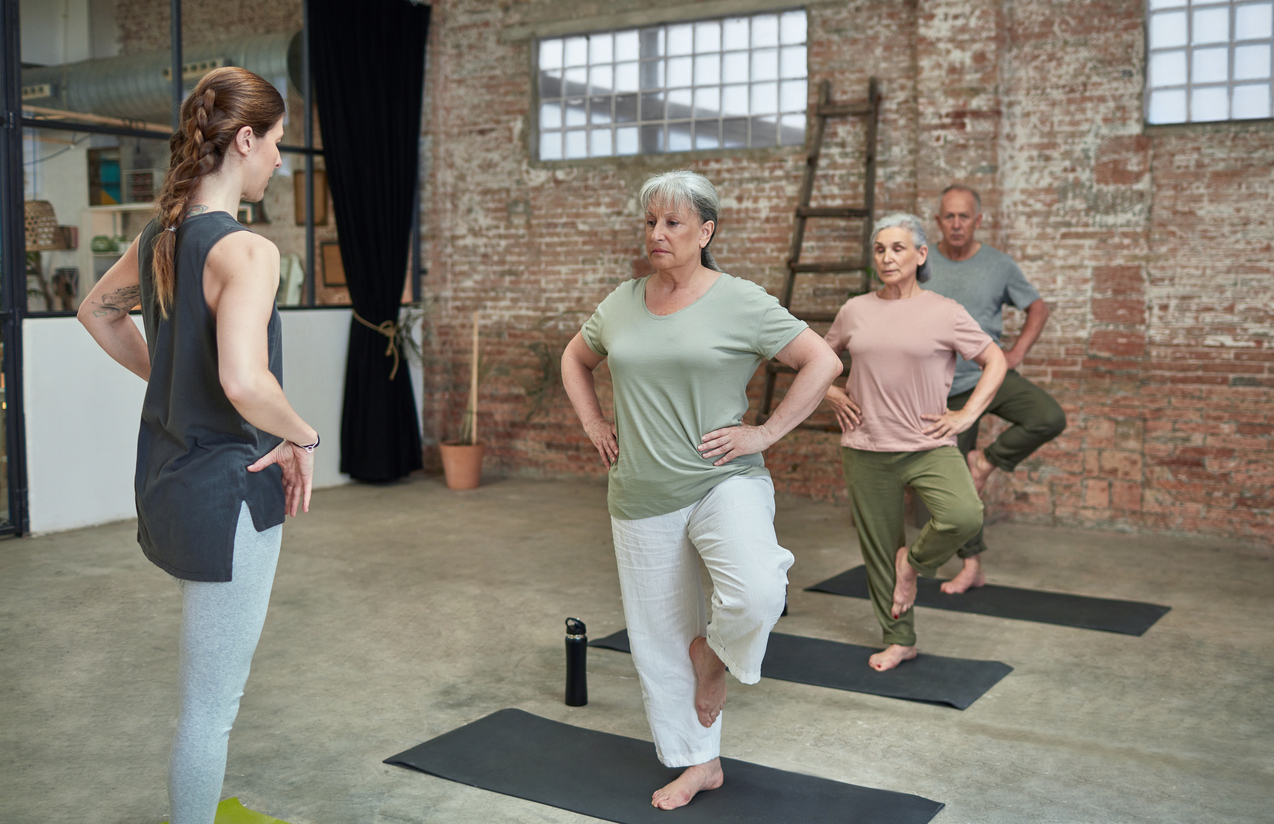
- Seated marches (lifting one knee at a time while sitting upright) to engage your core while practicing stability
These small efforts, when done consistently, add up to big improvements in strength, balance, and injury prevention. Always check with your care team before starting new exercises—especially if you have an existing condition or injury.
Get strong. Stay strong.
Whether you’re gearing up for a sports season, working to prevent workplace strain, or simply aiming to stay active as you age, core strength is key. At Welia Health Rehabilitation, our team can design a personalized plan to keep your core—and your whole body—strong, stable, and resilient.
We’re here when you need us, ready to support your goals and keep you moving with confidence. Reach out to Welia Health and schedule an appointment with our Rehabilitation Services team by calling 320.225.3356.