

 MyChart

When you have arthritis, the simplest tasks—tying your shoes, climbing stairs, or opening a jar—can be a real pain. The good news? Small changes in how you move, eat, and structure your day can make a big difference in how your joints feel. With the right habits, you can stay active, protect your joints, and feel more in control of daily life.
Below are practical, evidence-based ways to manage arthritis and keep your joints moving comfortably.
Keep moving: Exercise for strength and flexibility
When it comes to arthritis, motion truly is lotion. Regular, gentle movement helps lubricate joints, maintain flexibility, strengthen supportive muscles, and boost your mood.
” You don’t have to push through pain to remain active. Gentle, consistent movement—like walking, swimming, or light stretching—keeps joints lubricated and muscles strong, which can make everyday tasks easier and less painful. “
Deb Wright, PT, NBC-HWC
Welia Health Physical Therapist
- Warm up first. Start with five minutes of light movement—such as marching in place or arm circles—to loosen your joints.
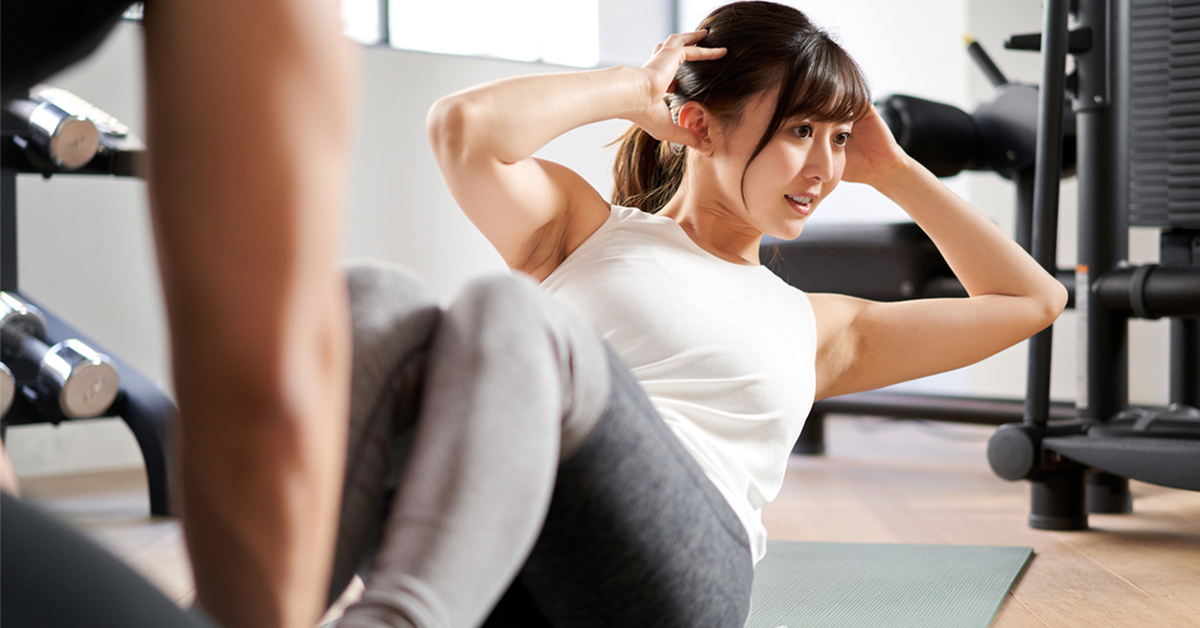
- Build muscle support. Strength exercises like straight-leg raises, wall sits, or light resistance training help stabilize your hips, knees, and back. Need inspiration? Check out our blog, The Power of Strength Training at Every Age.
- Stretch throughout the day. Gentle range-of-motion movements can reduce stiffness and improve flexibility.
- Try low-impact cardio. Walking, biking, rowing, or using an elliptical protects joints while supporting heart health.
- Take the plunge. Swimming and water aerobics offer resistance and improve mobility without added joint stress.

- Don’t overdo it. Spread household chores across the week to avoid flare-ups.
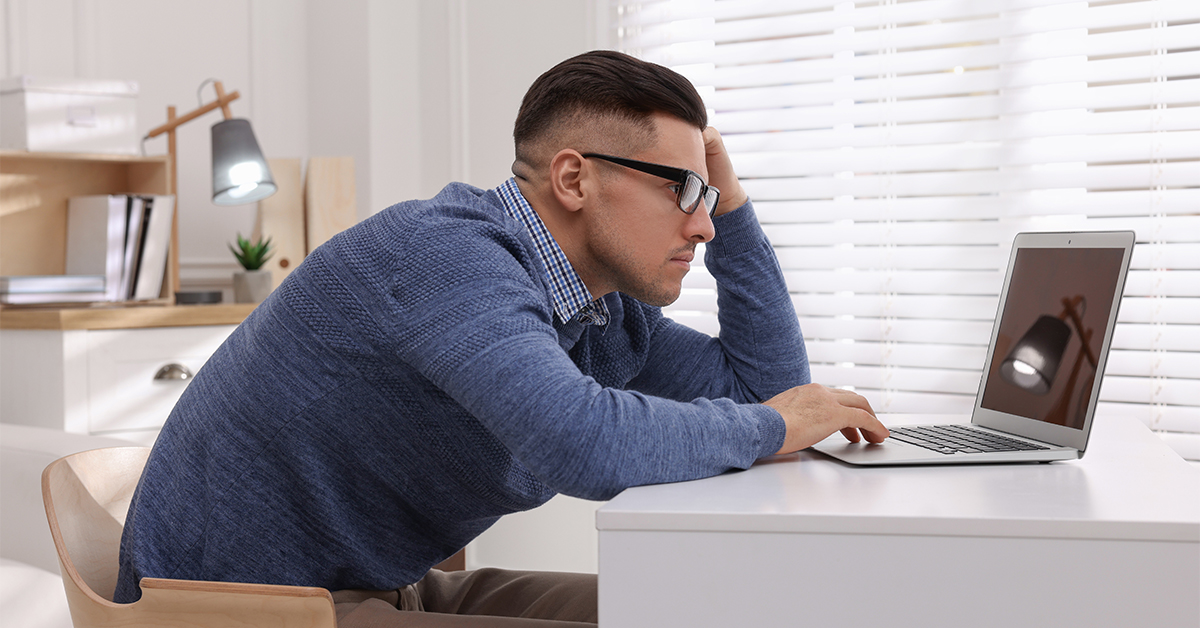
- Alternate sitting and standing. Change positions every 30–60 minutes to keep joints from stiffening.
Eat well: Nutrition for healthy joints
Movement is key, but what you put on your plate matters too. A balanced diet can help reduce inflammation, support cartilage health, and strengthen bones.
- Load up on leafy greens. Spinach, kale, and broccoli offer antioxidants and calcium to support bone health.

- Get your vitamin C. Citrus fruits, peppers, and berries may help slow the progression of osteoarthritis.
- Choose calcium-rich foods. Yogurt, fortified dairy products, salmon, and figs support strong bones.
- Talk to your provider about supplements. A daily multivitamin or targeted nutrients (such as vitamins C, D, E, or K) may help fill gaps.
- Moderate caffeine. Too much caffeine may interfere with calcium absorption.
- Maintain a healthy weight. Every pound lost can reduce stress on your knees by roughly four pounds, easing pain and improving mobility.
Protect your joints: Smart movement and everyday ergonomics
Using your joints wisely can reduce strain and prevent unnecessary wear and tear.
- Use your stronger joints. Push open heavy doors with your shoulder instead of your hands. When using stairs, lead with your stronger leg going up and your weaker leg going down.
- Handle heavy loads carefully. Carry bags close to your body, distribute weight across larger joints, and slide objects instead of lifting when possible.
- Simplify tasks. Eliminate or reduce repetitive chores—like ironing—and organize your home so everyday items are within easy reach.
- Use adaptive tools. Long-handled scrubbers, jar openers, grab bars, electric can openers, and other tools can make daily tasks safer and easier. Buzzfeed shares 23 Things People Who Have Arthritis Swear By.
- Choose supportive footwear. Look for flexible, cushioned shoes with proper traction. Skip high heels—they increase stress on knees, hips, and back.
- Avoid high-impact workouts. Replace jumping or pounding movements with low-impact alternatives like swimming, biking, or elliptical workouts.
Create a safe and supportive home
Your environment plays a big role in how comfortably you can move throughout the day. Simple adjustments can help prevent falls and make daily tasks easier.
- Make home modifications. Add casters to furniture, adjust your bed height for easier access, and use a bathing stool if needed.
- Remove fall hazards. Improve lighting, secure loose rugs, and install grab bars in areas like bathrooms or stairways.
- Use mobility aids when needed. Canes, walkers, or crutches can relieve pressure on painful joints. Remember: hold a cane in the hand opposite your painful leg or hip.

Manage pain and overall wellness
Arthritis affects more than just joints—it can impact your energy, mood, and daily routine.
- Use heat and cold therapy. Heat helps relax muscles; cold reduces swelling and flare-ups.
- Take medication safely. Over-the-counter or prescription medications may help, but always talk to your provider about what’s right for you.
- Quit smoking. Smoking reduces bone density and can worsen arthritis symptoms. Welia Health’s Tobacco Cessation Program can help.
- Manage stress. Deep breathing, meditation, journaling, and gentle yoga support emotional well-being and may help reduce pain severity.
- Ask for help. Asking for help isn’t a sign of weakness—it’s a smart way to protect your joints and conserve energy. Let family or friends assist with tasks that put extra strain on your joints.
Your arthritis team
Managing arthritis works best when you have the right support team in place. Your Welia Health provider can help you create a personalized plan that includes exercise guidance, nutrition recommendations, physical therapy, medications, imaging, or other treatments.
If you’re struggling with joint pain, stiffness, or changes in mobility, we’re here to help. Call Welia Health at 320.679.1212 or log in to MyChart to schedule an appointment.