

 MyChart

Your eyes work hard all day—reading, driving, scrolling, and focusing. But when they start to feel gritty, burn, or water nonstop, it could be more than fatigue. You might be dealing with dry eye, a common condition that happens when your eyes don’t produce enough quality tears to stay comfortable and protected.
If your eyes often feel dry or irritated, understanding what’s behind it can help you find lasting relief.
What causes dry eye
Healthy eyes depend on a consistent layer of tears to keep the surface smooth, clear, and protected. When something disrupts this balance, dry eye can develop. Common causes include:
- Aging — Tear production often decreases naturally as we get older.
- Environment — Dry air, wind, smoke, or long hours staring at screens can cause tears to evaporate too quickly.
- Contact lenses — Wearing them for extended periods can irritate the eye’s surface and affect tear film quality.
- Medications — Certain antihistamines, decongestants, antidepressants, and blood pressure drugs can reduce tear production.
- Medical conditions — Autoimmune disorders such as rheumatoid arthritis, lupus, or thyroid eye disease can interfere with tear gland function.
- Eye surgeries — Procedures like LASIK or cataract surgery can temporarily disrupt normal tear production.
Home remedies
Try these simple steps to soothe mild symptoms:
- Blink often, especially during screen time
- Use a humidifier to add moisture to the air
- Wear sunglasses outdoors to block the wind
- Stay hydrated throughout the day
- Take breaks from reading or using digital devices
- Try preservative-free artificial tears for temporary relief
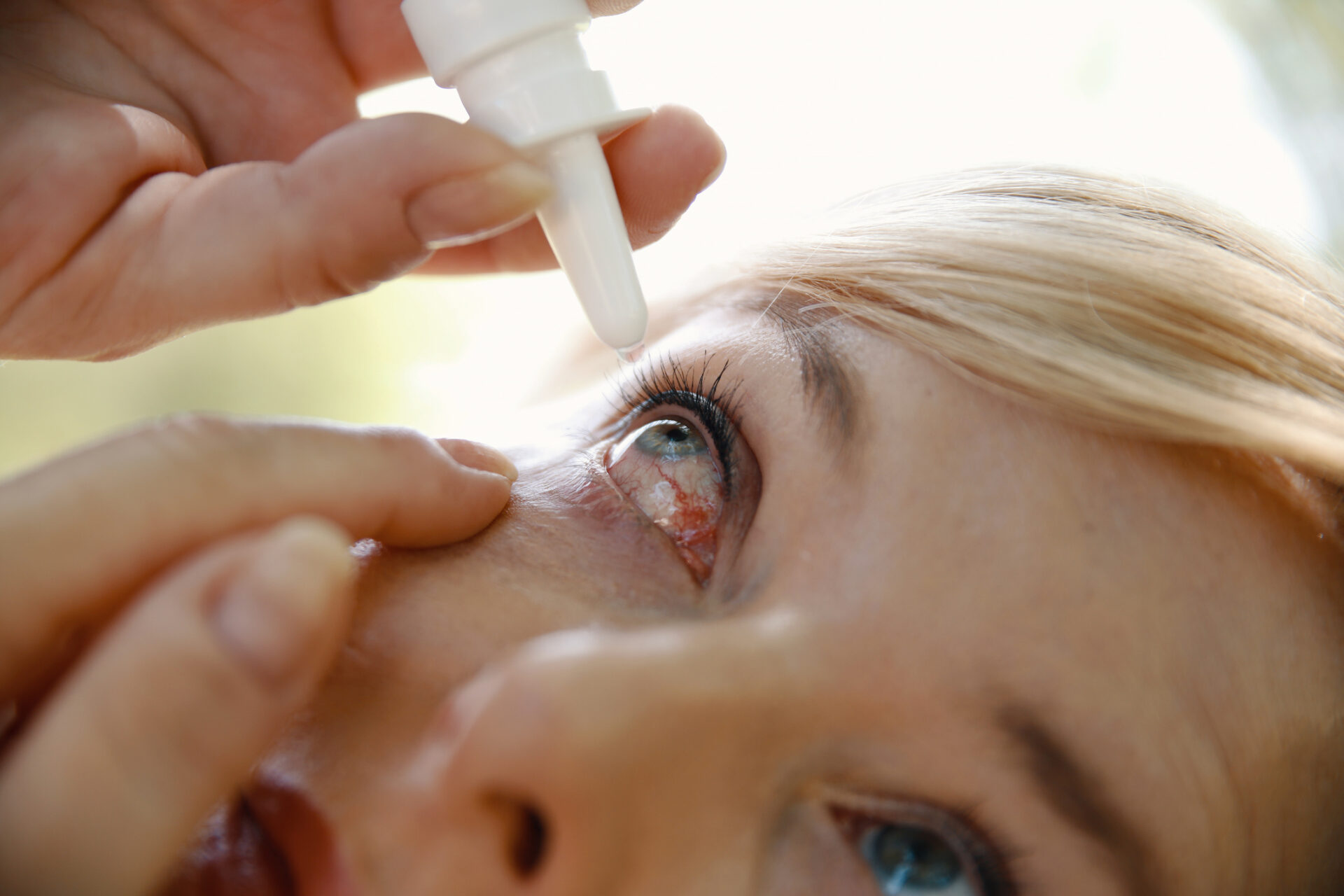
Occasional dryness can usually be eased with over-the-counter drops or small lifestyle changes, but if your eyes stay irritated or your vision is affected, it’s time to see your eye doctor for relief and long-term protection.
Signs it’s time to get your eyes checked
If you’re experiencing any of the following symptoms, it’s time to schedule an appointment.
- Pain or light sensitivity — Sharp pain, discomfort, or trouble tolerating bright light could signal something more serious.
- Blurry or fluctuating vision — If your vision doesn’t clear up after using artificial tears, you may need prescription treatment.
- Persistent redness or swelling — Ongoing irritation or inflammation can indicate infection or another condition that needs attention.
- Discharge or crusting — Thick, yellow, or green discharge around your eyes is often a sign of infection.
- Frequent infections — Recurrent eye infections can point to an underlying cause that requires medical management.
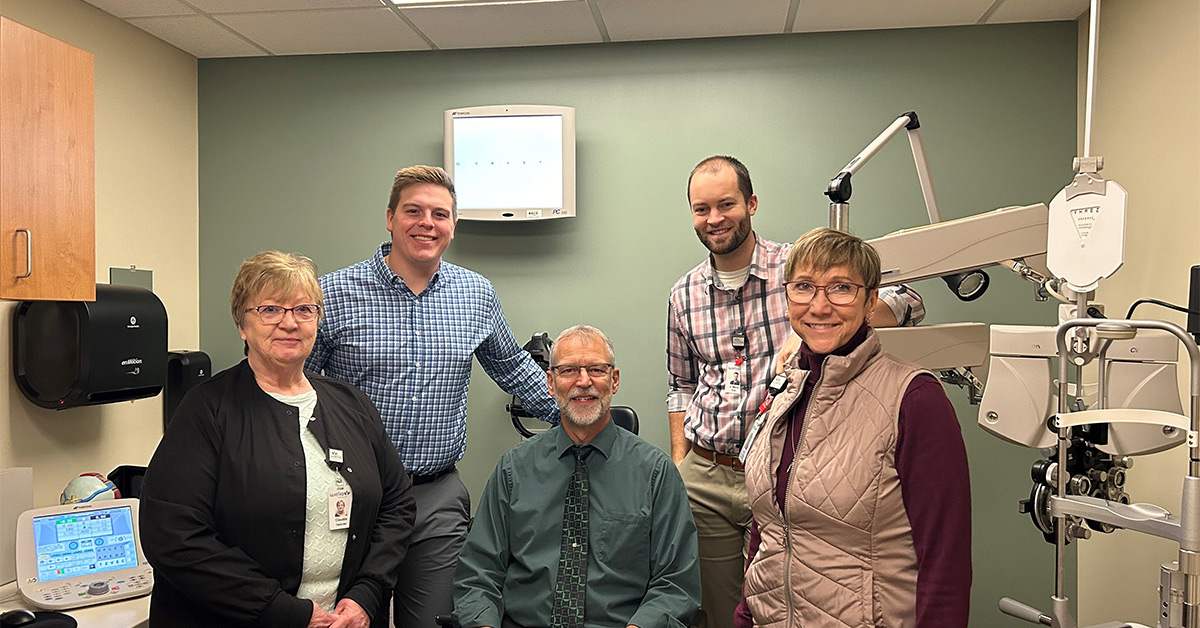
“When dry eye symptoms start to interfere with your daily life—whether it’s trouble reading, driving, or just feeling uncomfortable throughout the day—it’s time to be evaluated. With the right treatment plan, most people can get real relief and protect their long-term eye health.”
Austin Peterson, OD
Welia Health Optometrist
Other reasons to schedule an appointment
Even if your symptoms are mild, it’s worth seeing your provider if:
- Your symptoms don’t improve with over-the-counter drops.
- You have another health condition that can affect tear production.
- You take medications known to cause dryness.
- You’ve recently had eye surgery.
Our providers can help pinpoint what’s causing your discomfort—whether it’s tear quality, eyelid inflammation, or another factor—and recommend a plan to restore moisture and protect your eyes over the long run.
The bottom line
Dry eye isn’t just uncomfortable—it can interfere with daily life and increase your risk of infection or vision changes. If home remedies aren’t helping or your symptoms are getting worse, don’t wait. A visit to your provider can bring relief and help protect your vision.
If you’re concerned about dry eye or other vision changes, call the Welia Center Eye Care Center at 320.679.2020 or log into MyChart to schedule an appointment.