

 MyChart
You’ve probably heard people say they have “20/20 vision.” It’s often thought of as the gold standard for good eyesight—and about one in three Americans can claim it as a bragging right. But what does it actually mean? Is it a perfect score? And does having 20/20 vision guarantee your eyes are completely healthy?
What 20/20 actually means
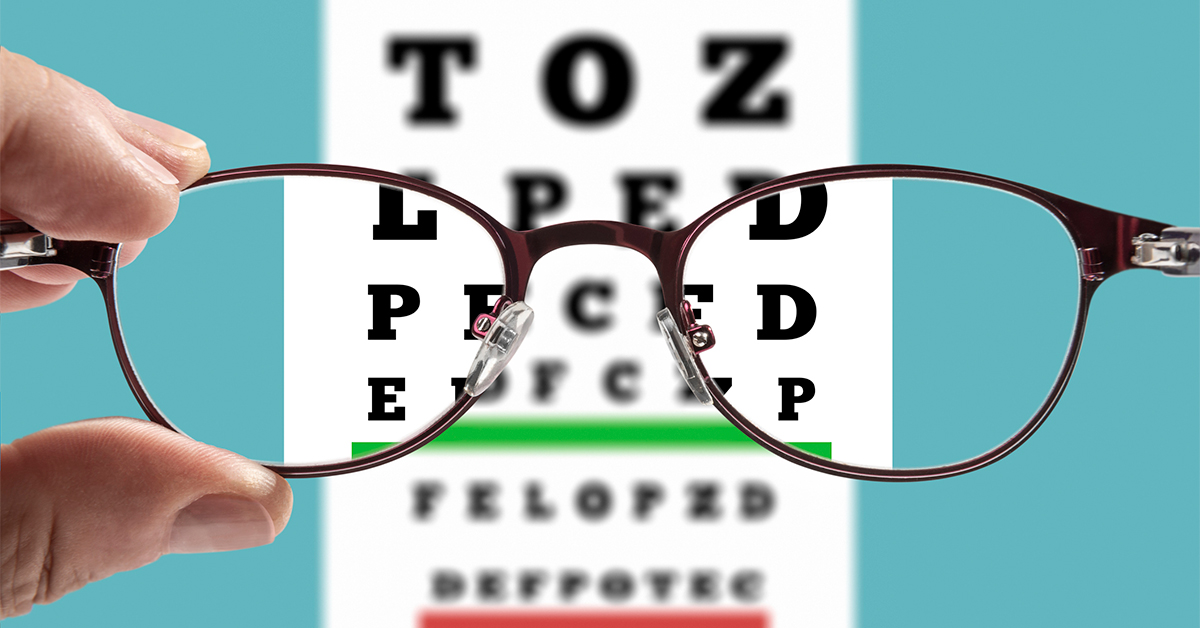
20/20 vision measures visual acuity, or how sharp your vision is at a distance. It’s often tested using a Snellen eye chart, which is a chart with rows of letters that get progressively smaller.
Here’s the breakdown of what the numbers mean:
- The first 20 is the distance you stand from the eye chart in feet.
- The second 20 is the distance at which a person with “normal” vision can read the same line on the chart.
Essentially, if you have 20/20 vision, you can see at 20 feet what an average person should be able to see at 20 feet. If your vision is 20/40, it means you have to be at 20 feet to see what a person with normal vision can see from 40 feet away. Your vision is half as good at that distance.
So, while 20/20 vision means your distance vision is considered “normal,” it’s only one part of the bigger picture.
Why 20/20 isn’t the whole picture
Having 20/20 vision is great, but it doesn’t mean your eyes are without any issues. Even with crystal-clear distance vision, you could still have hidden vision problems or an underlying eye disease. A full measure of eye health goes far beyond a single number from an eye chart.
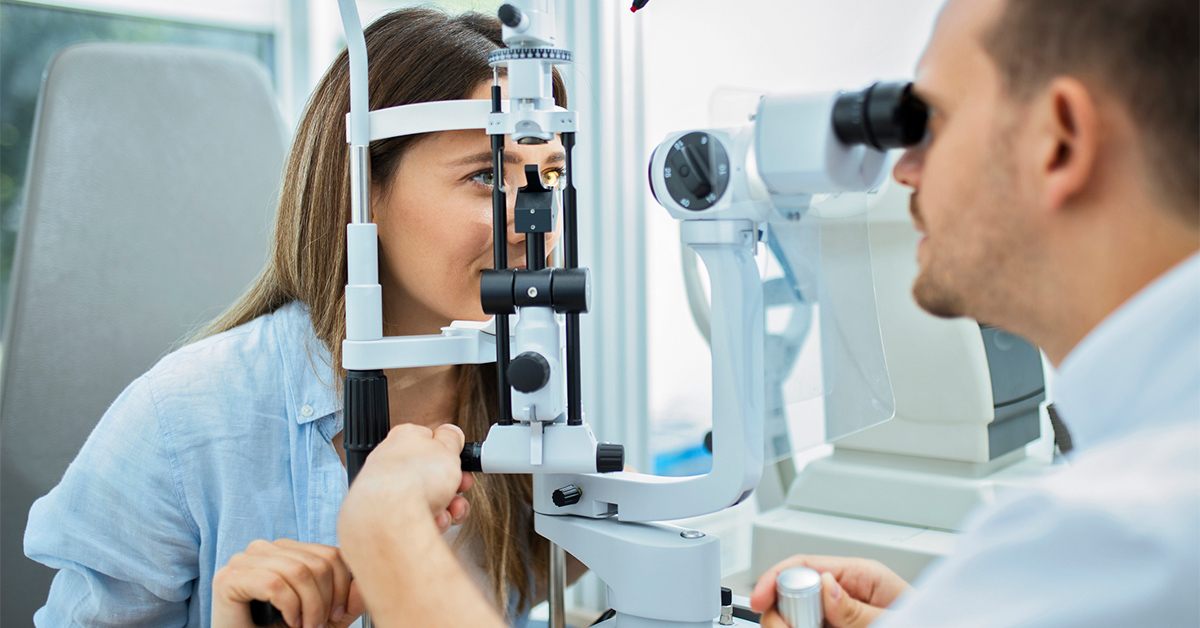
During a comprehensive eye exam, your Welia Health eye doctor evaluates many other aspects of your vision, including:
- Peripheral vision: How well you can notice objects outside your direct line of sight.
- Eye coordination: How well your eyes work together to form a single, clear image.
- Depth perception: Your ability to accurately judge distances, which is crucial for driving and daily activities.
- Color vision: Your ability to distinguish between colors.
But beyond just visual skills, a full exam screens for serious eye diseases like glaucoma, age-related macular degeneration, and diabetic retinopathy. These conditions often have no early symptoms but can cause permanent vision loss if not detected early.
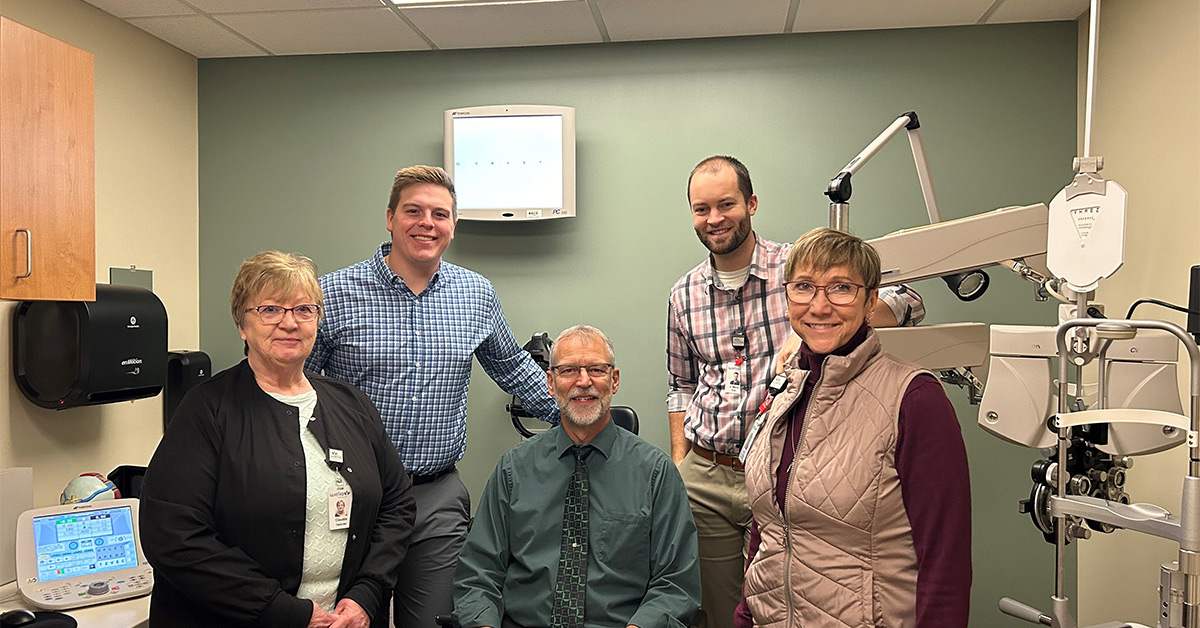
” More than 16 million Americans live with undiagnosed or uncorrected vision problems. Many of these conditions show no early symptoms—making regular, comprehensive eye exams so important. “
Joe Mork, OD
Welia Health Optometrist
Why regular eye exams matter for everyone
Think your vision is perfect? Regular eye exams are still an essential part of protecting your overall health in that they:
- Confirm your eyes are functioning correctly.
- Catch hidden problems early.
- Provide peace of mind about your vision and health.
In fact, eye exams don’t just detect eye problems—they can reveal early signs of other health issues, including heart disease, multiple sclerosis, and thyroid disease.
At Welia Health, our Eye Care Center team is here to make sure you’re not only seeing clearly but living fully.
Time to get the full picture
Whether you’ve noticed a change in your vision or just want reassurance that everything is healthy, don’t guess. Schedule your appointment today. Call Welia Health Eye Care Center at 320.679.2020 to book your eye exam.