

 MyChart
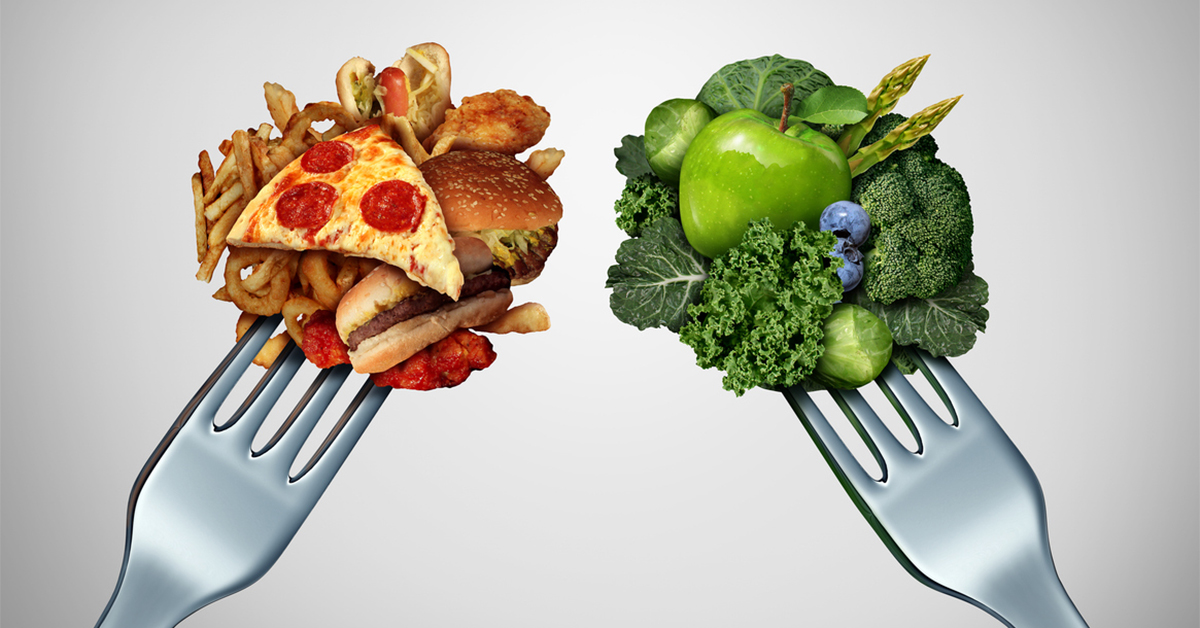
Take a quick look in your pantry. Chances are, a good portion of what’s in there falls into a category called ultra-processed foods.
It’s a term you’re probably hearing more often—and for good reason. More than half of what most Americans eat each day comes from this category. Understanding what that means (and what to do about it) is one of the most practical steps you can take for your long-term health.
What does “ultra-processed” actually mean?
Not all processed food is the same.
A can of chickpeas is technically processed. So is a bag of cheese puffs. But they’re very different nutritionally.
Researchers use a system called NOVA to group foods based on how much processing they’ve gone through:
- Group 1: Minimally processed
Fruits, vegetables, eggs, meat, plain yogurt
- Group 2: Culinary ingredients
Oils, butter, sugar, honey
- Group 3: Processed foods
Canned fish, salted nuts, fresh bread
- Group 4: Ultra-processed foods
Packaged snacks, soda, frozen meals, sugary cereals, candy
Ultra-processed foods go beyond basic cooking or preservation. They’re typically made with ingredients you wouldn’t use at home—like artificial flavors, emulsifiers, color additives, and preservatives.

A simple rule of thumb
If the ingredient list looks more like a chemistry experiment than a recipe, it’s likely ultra-processed.
How common are ultra-processed foods?
Ultra-processed foods are more common than most of us realize. The National Center for Health Statistics reports that in the US, ultra-processed foods account for:
- 53% of daily calories for adults
- 62% for children and teens
And this isn’t about willpower. These foods are designed to be convenient, affordable, and hard to stop eating. They’re engineered to hit the “bliss point”—that perfect mix of salt, sugar, and fat that keeps you coming back for more.
The tradeoff? They’re often low in fiber, protein, and key nutrients your body actually needs.
Why does it matter for your health?
A growing body of research is sobering and links diets high in ultra-processed foods to a wide range of health concerns, including:
- Heart disease and cardiovascular death (50% higher risk)
- Type 2 diabetes (40% higher risk)
- Obesity (55% higher risk)
- Depression and anxiety (20–48% higher risk)
- Certain cancers, including colorectal cancer
- Sleep disorders (41% higher risk)
One large review in The BMJ found that higher intake of ultra-processed foods was associated with increased risk across 32 different health outcomes.
There are a few reasons why:
- Low fiber: These foods don’t support healthy gut bacteria
- Highly digestible: They’re easy to overeat without feeling full
- Calorie intake: One study found that people ate about 500 extra calories per day on an ultra-processed diet
Over time, those patterns can add up.

“Ultra-processed foods are built around convenience and taste—but they often crowd out the foods our bodies actually need. Small, consistent changes can make a real difference. “
Melissa Merrick, RD, LD
Welia Health Registered Dietitian
A quick reality check: It’s not all or nothing
This isn’t about cutting out every packaged food.
What matters most is your overall pattern—not the occasional snack or convenience meal.
Some ultra-processed foods can still offer nutritional value, and not every item fits neatly into a category. The goal isn’t perfection—it’s awareness.
Watch this short video to see how easily these foods sneak into our daily routines.
Practical steps you can take today
You don’t need to overhaul your entire kitchen. Start small.
- Read the ingredient list, not just the nutrition label
Short, recognizable ingredient lists are a good sign.
- Make one swap at a time
Try plain yogurt with fruit instead of flavored versions, or nuts instead of snack bars.
- Cook more at home when you can
Even simple meals—like a stir-fry or grain bowl—can make a big difference.
- Watch what you drink
Sugary drinks are one of the biggest sources of ultra-processed ingredients.
- Build meals around whole foods
Fruits, vegetables, beans, whole grains, nuts, and seeds are a strong foundation.
As journalist Michael Pollan famously put it: “Eat food. Not too much. Mostly plants.”
Need help getting started?
If you’re not sure where to begin—or if you’re managing a condition affected by diet—talking with a registered dietitian can help.
Welia Health’s dietitians work with patients of all ages to create realistic, personalized plans that fit your life. Call 320.679.1313 or log in to MyChart to schedule an appointment.