

 MyChart
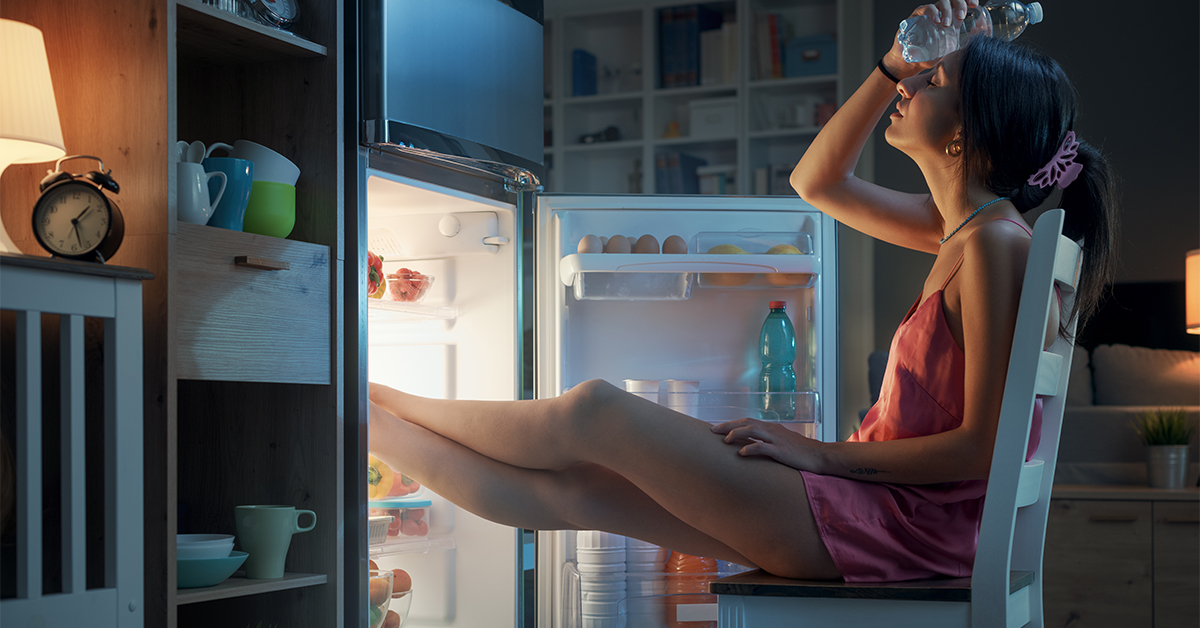
Being cozy under your blankets on a cold winter night is one thing. Waking up in a pool of sweat is something entirely different. Night sweats are nothing new for many ‘women of a certain age’ as they are a common symptom of perimenopause and menopause. According to the Sleep Foundation, up to 80% of perimenopausal or menopausal women experience hot flashes or night sweats.
However, it’s not only hormonal fluctuations that are to blame – night sweats stem from a range of factors. Once you understand this, you can determine if there are steps you can take to find relief, or if it’s time to talk to your provider. The good news: most causes of night sweats can be managed if you know what’s causing them.
Hormones
Changes in your hormone balance, especially in your estrogen levels, can make your body’s internal thermostat go haywire. The slightest fluctuation in body temperature can cause a chain reaction: warming up, blushing, sweating, and then quickly cooling down. Night sweats are commonly related to:
- Perimenopause and menopause
- Pregnancy
- Postpartum hormone imbalances
For some women, symptoms can last weeks, months, or even years. Tracking your symptoms and menstrual cycle, as well as any medications or lifestyle factors, can help you identify if hormones are causing your symptoms. But if hormones alone do not account for your symptoms, there are many other potential causes you’ll want to explore.
Medications
Many medications list excessive sweating as a possible side effect. Examples include:
- Antidepressant medications (like SSRIs)
- Hormone replacement therapies
- Diabetes medications (blood-sugar-lowering drugs)
- Steroids (like Prednisone)
- Fever-reducing pain medications (like aspirin and NSAIDs such as Advil or Aleve)
Symptoms can disappear soon after your body has adjusted to the medication, or they can persist. If night sweats develop shortly after starting or changing a medication, your provider can help you explore options or change your medication schedule. Never stop taking a prescribed medication without talking to your provider first.
Stress and anxiety
Emotional stress triggers your body’s “fight-or-flight” response, increasing your heart rate and body temperature. That can cause you to sweat — even when you are sleeping. You may experience:
- Racing heart
- Restlessness
- Difficulty falling or staying asleep
- Night-time hot flashes that are not associated with menopause
Stress-related night sweats often come and go, depending on what is happening in your life. Calming your system before bed can help. Try deep breathing, guided meditation, or journaling at bedtime to reduce stress. If stress or anxiety consistently disrupts your sleep, talk to your provider.
Thyroid and endocrine disorders
An overactive thyroid, called hyperthyroidism, increases your metabolic rate and heat production. This can cause night sweats. You may also experience:
- Increased heat tolerance
- Unexpected or unexplained weight loss
- Fast or irregular heartbeat
- Nervousness or irritability
Even slight thyroid imbalances can impact your body temperature. Other endocrine disorders, including adrenal or blood sugar disorders, can also play a role. Blood tests can help identify whether your thyroid or hormone levels are contributing to your symptoms.
Low blood sugar
Low blood sugar, or hypoglycemia, during the night can cause sweating, shakiness, and wake you up abruptly, particularly if you have diabetes or take glucose-lowering medications. These episodes usually feel different from menopause-related hot flashes and are often accompanied by:
- Hunger
- Dizziness
- Feeling “off” upon awakening
Changes to evening meal times, snacking, or medication schedules can help regulate overnight blood sugar levels.
Infections and other medical conditions
Infections often cause fever or inflammation, leading to night sweats. Viral infections such as the flu or COVID are common sources. And autoimmune disorders or chronic illnesses can show up as the following:
- Persistent fatigue
- Fever
- Swollen lymph nodes
- Weight gain or weight loss
While most people who see their provider for night sweats do not have a serious health condition, having a clear diagnosis can provide peace of mind about your symptoms.
Sleep environment
Sometimes, the reason for your night sweats can be simple. It could be that your bedding is just warmer than you realize. The following can be heat traps:
- Heavily layered blankets or flannel sheets
- Memory foam mattresses
- Pajama material that is not breathable
- Bedroom temperatures warmer than the ideal 65-68℉
- Pets in your bed
Try light layers or moisture-wicking fabrics. Use cooling mattress pads and lower your thermostat. This can help, even with hormonal changes.
Lifestyle factors
Your nighttime routine can affect your ability to cool your body. For instance:
- Alcohol widens your blood vessels, leading to flushing and/or sweating hours later.
- Caffeine is a stimulant that can disrupt your regular temperature-regulating pattern.
- Heavy or spicy meals before bedtime can raise your body temperature.
Pay attention to what you eat and drink and when. This may help you identify patterns connected to your symptoms.
When to talk to your provider
Contact your provider if you:
- Experience excessive night sweats (more than a few times per week) that disrupt your sleep.
- Feel your symptoms are becoming increasingly severe or frequent.
- Started a new medication recently.
- Are not sure whether your symptoms are hormonal or related to something else.
If you have concerns, talk to your Welia Health provider. Call 320.679.1313 or log onto MyChart to schedule an appointment.
Get the rest you deserve
While night sweats are common, they don’t have to be part of your daily life. Whether your night sweats are related to hormones, medications, lifestyle choices, or something less obvious, identifying their cause is an essential first step towards resolving the issue.