


 MyChart
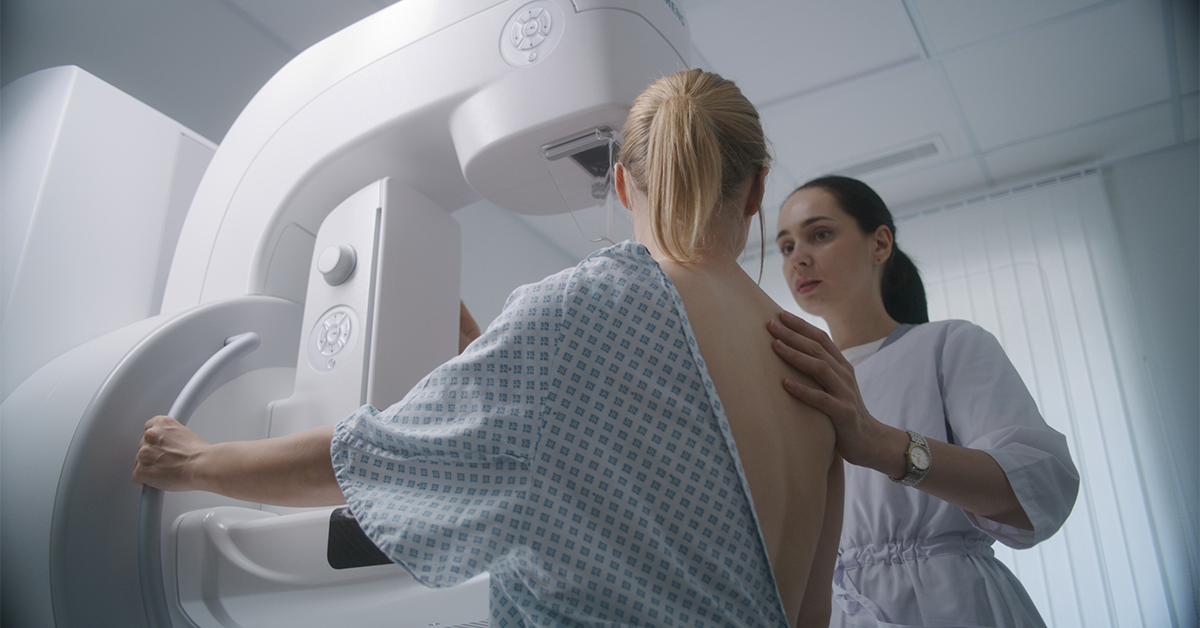
When it comes to catching breast cancer early, the mammogram has been, and remains, a life-saving tool. It’s helped countless women by identifying changes before they become noticeable or cause symptoms.
But the field of breast imaging is always advancing. For some women—especially those with dense breast tissue or a higher personal risk—additional imaging can provide an even clearer, more confident picture of their breast health.
This October, Breast Cancer Awareness Month, Welia Health encourages you to talk to your provider about all available options and how these tools work together to protect your well-being.
The gold standard, evolved: 3D mammography
At Welia Health, we believe you deserve the most precise screening available, which is why we offer 3D mammography (also called digital breast tomosynthesis). It’s the most advanced screening technology currently available.
Unlike traditional 2D mammograms that capture a single, flat image, 3D mammography takes multiple images from different angles, creating a highly detailed, three-dimensional view of the breast tissue.
What this means for you:
- Earlier detection: We can find small cancers that might otherwise be hidden in dense tissue.
- Fewer callbacks: The detailed view often leads to fewer “false alarms,” reducing the stress and inconvenience of being called back for extra testing.
- Greater confidence: You can rest assured knowing you’re getting the clearest possible screening result.
When we need a closer look: Other valuable tools
While your annual mammogram is an essential first step, your Welia Health provider may recommend additional imaging in certain situations, such as when you have dense breast tissue or specific risk factors.
The most common advanced options include:
- Breast MRI: An MRI creates highly detailed, 3D images using magnetic fields and contrast dye. An MRI may be recommended for women with a strong family history of breast cancer, known genetic risk factors (like BRCA1 or BRCA2), or if previous imaging results were inconclusive.
- Breast ultrasound: Ultrasound uses sound waves to produce detailed images. It is often used to evaluate a specific area seen on a mammogram or to provide a closer look at dense breast tissue.
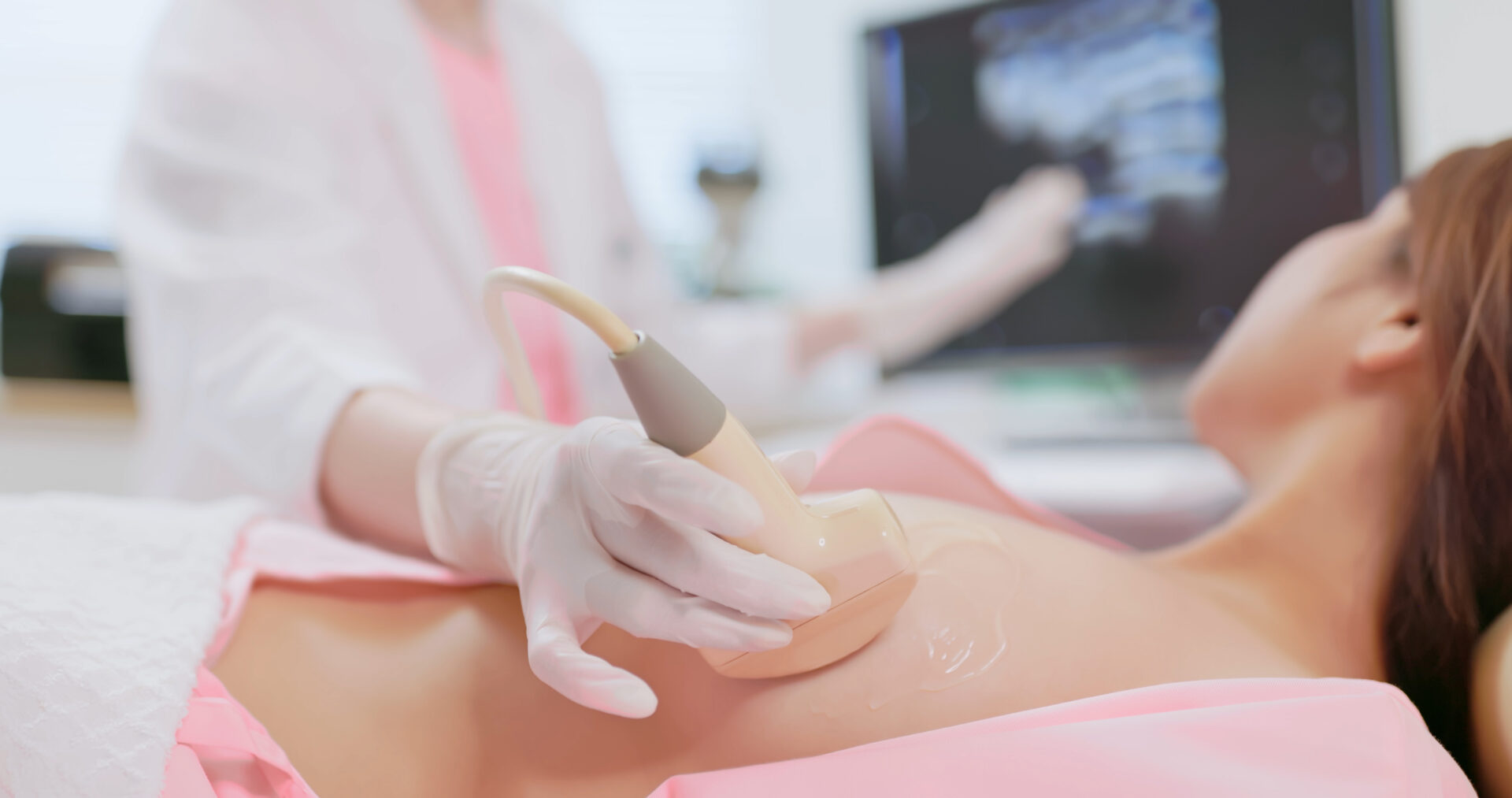
“Our goal is to give every woman the clearest, most accurate information about her breast health. 3D mammography, together with ultrasound and MRI, allows us to see more detail and detect cancer earlier—giving patients peace of mind and confidence in their care.”
Karen Pike, RT(R)(CT)
Welia Health Mammography Technologist
Understanding your personal risk is key
Every woman is different, and so is her risk for breast cancer. Understanding your personal and family history, along with your breast density, helps your provider tailor the right screening plan for you.
Here are a few important questions to ask at your next visit:
- What is my lifetime risk of breast cancer?
- Do I have dense breast tissue, and how does that affect my screening?
- Based on my risk factors, should I consider additional imaging like an ultrasound or MRI?
Taking the time to discuss your risk is the first step toward making informed, confident decisions about your health – with your provider.
The bottom line
Mammograms remain the most effective tool for early detection, but they are part of a larger picture. With today’s technology, women have more clarity and peace of mind than ever before.
Take time this month to focus on your health. Schedule your annual mammogram and have a conversation with your provider about your breast health. Call Welia Health at 320.679.1313 to book your appointment.