
 MyChart
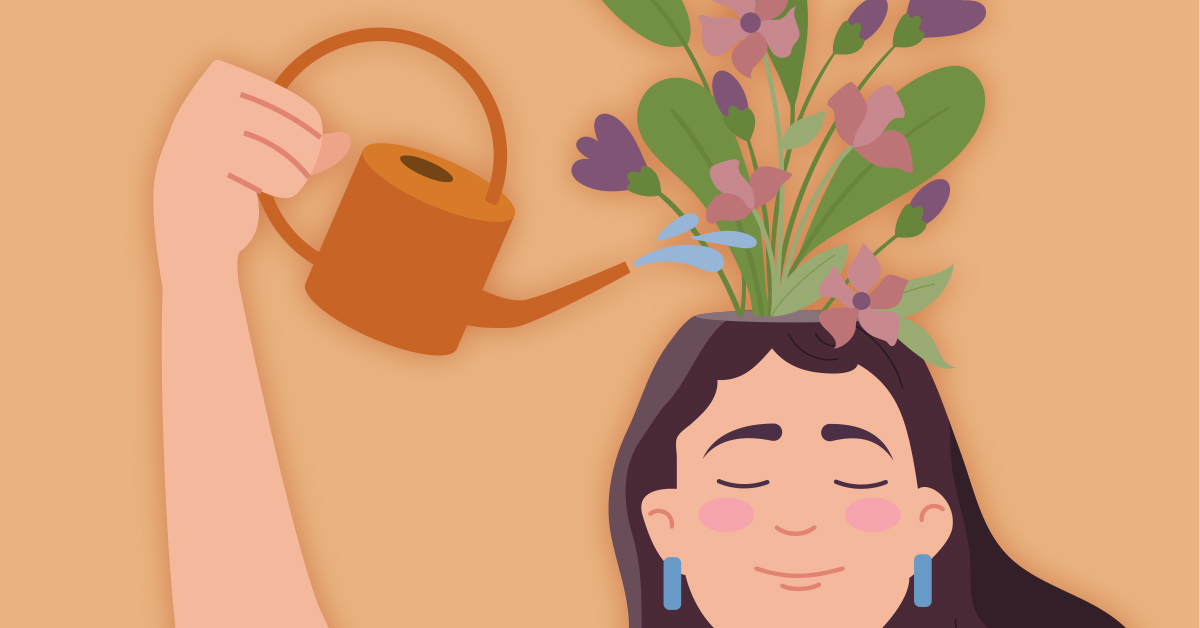
Let’s make them our daily habits!
What is a micro practice?
Micro practices are brief exercises or actions that can help reduce anxiety and stress. When you are feeling overwhelmed, using micro practices can help you stay calm and focused. These little practices are accessible, affordable and convenient, and they can be used nearly anywhere – from home to work or school – and practiced alone or with others.
How do they work?
Micro practices are based on the brain science of stress and healing – to soothe, settle,or energize the body and mind. These short exercises employ proven approaches for soothing the stress response and regulating the nervous system. There is power in repetitive, rhythmic movements; self-massage; mindfulness; breathing exercises; and other techniques utilized in micropractices.As you incorporate these powerful practices into your day and they become healthy habits, you’ll notice a big return on your investment.
How much time do they take?
Most can be done in 15 minutes or less. Some take as little as a few seconds! The trick is to be intentional about adding them into your daily routine, so that they become as natural as brushing your teeth. It also helps to remember that incremental improvements, or micro-gains, will add up over time. Being just 1% better each day results in a huge impact on your mental health long term!
What is an example of a quick and easy micro practice?
EMOTION NAMING is an example of a short but very effective micro practice. Researchers have discovered that when people identify and name their emotions – especially during times of high stress – they are better able to handle the challenge at hand. Next time you are feeling overwhelmed, take a step back to think about the specific emotion you are feeling. Are you feeling nervous? Angry? Frustrated? Exhausted? This simple naming practice can help decrease the tension you are feeling!
6 helpful micropractices to try today!
- DEEP BREATHING – Shallow breathing is part of the fight-or-flight response that causes the secretion of stress hormones. Breathing deeply at a more calm pace helps dial down the fight-or-flight response so the body can stop pumping unnecessary cortisol and adrenaline. First, take a normal breath. Then, breathe in slowly through your nose – allowing your chest and lower belly to rise as you fill your lungs. Let your abdomen expand fully. Now breathe out slowly through your mouth or nose; whatever feels more comfortable. Repeat this cycle 10 times.
- S.T.O.P. – In high-stress or high-emotion situations, we can have tunnel vision that leads us to interpret things negatively and cause us to act impulsively. The S.T.O.P. micro practice allows us to shift from reactive to more responsive actions. Here’s how it works:
- S = STOP what you’re doing. Put things down for a minute.
- T = TAKE a few deep breaths. Breathe normally and naturally, noticing the air flowing in and out.
- O = OBSERVE your experience as-is. Notice all your thoughts, bodily sensations, and emotions – without any judgment.
- P = PROCEED with what feels like a wise next step. Ask yourself, “What feels supportive or productive in this moment?”
- HUM – The vagus nerve (also called cranial nerve X) runs from the brain down the neck and chest to the heart, lungs, and into the digestive tract. It’s responsible for many roles, including heart rate. Stimulating the vagus nerve helps the body know it’s okay to relax. Both singing and humming stimulate this nerve. Try humming with simple “mmm,” “ahh” and “ooh” sounds to induce a relaxation response in your body. Or, simply hum your favorite song.
- DROP 3 – We often hold tension in three key areas: the jaw, shoulders, and abdomen. Focus on these spots by “dropping 3.” Inhale deeply, and as you exhale, release any tension you are holding in your jaw. Then do the same for the shoulders and finally the abdomen.
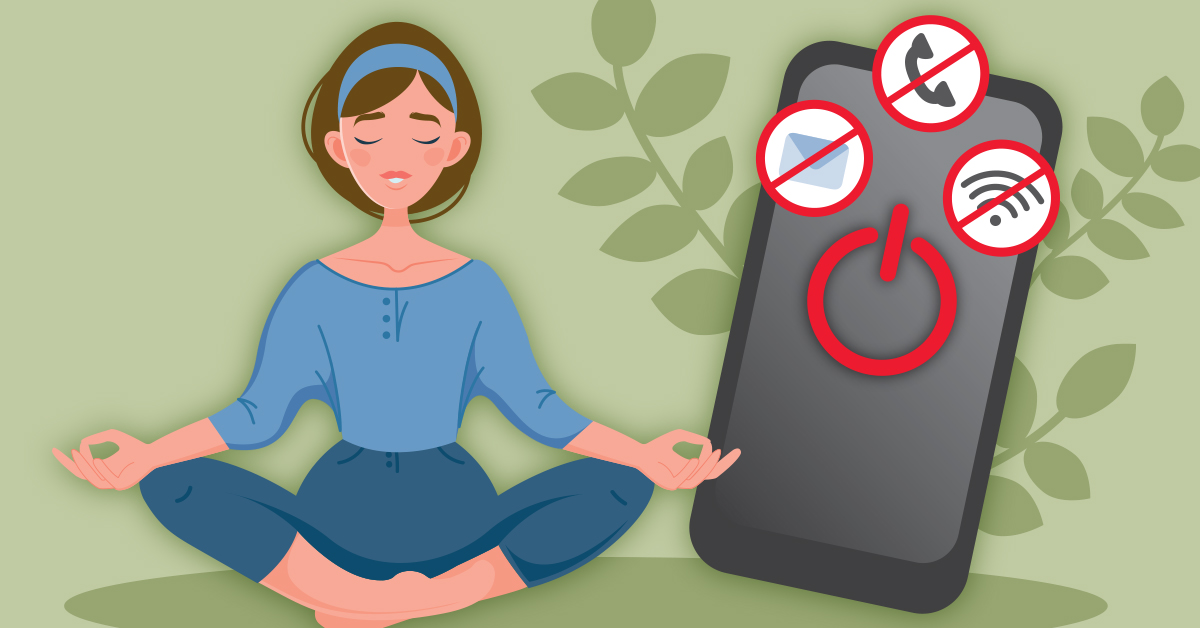
- STARE AT A WALL – Sometimes our minds need more real rest than we give them, so our minds can benefit from periods of destimulation – meaning no screens, no emails, and no audiobooks. Try giving your brain a break by sitting comfortably and looking at a blank wall for 10 to 15 minutes.
- WALK IT OFF – If staring at a blank wall isn’t your style, using that 15 minutes to take a brisk walk is a very helpful practice, too. It’s a great way to boost your energy, cognitive function and mood! Walking has also been shown to reduce stress and anxiety.
These are just a few of many micro practices that can enhance your mental health. Try different practices to find the ones that work best for you!
The 20-second Self-Compassion Micro Practice
This quick and easy 20-second micro practice is a great way to lower anxiety and stress. Use it when you are feeling overwhelmed or facing a challenging project or situation. It is designed to help you refocus your attention so that you can return to the task at hand with greater ease and self-control.
- Gently place one hand over your heart and the other over your belly.
- Slowly take a deep breath in and feel the gentle connection between your hands and your body.
- Focus on the warm sensation of your hands on your chest and belly.
- Take a deep sigh out and notice the movement, sound, temperature, and sensations you feel.
- Now, silently reflect on one or more self-compassionate affirmations to calm yourself and disrupt any negative thinking. Catching and disrupting our own “inner critics” in this manner can allow us to move forward in a more productive way. The following are affirmation examples:
- I give myself room and comfort.
- I will be patient and kind to myself.
- Nobody is perfect, so I forgive myself.
- I take the time to honor who I am.
- I accept and love myself.
- I celebrate my uniqueness.
- I am gentle with myself.
- I feel the warmth I can offer myself.
- I am not my mistakes.
- I do not have to be perfect.
- I am free to make decisions that work for me.
Be Good to Yourself!
3 important things to remember:
- Micro practices are beneficial to your mental health
- They’re quick & easy to work into your daily routine
- Be intentional to develop healthy habits