

 MyChart
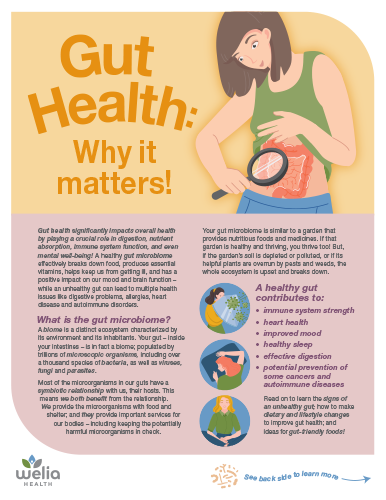
Gut health significantly impacts overall health by playing a crucial role in digestion, nutrient absorption, immune system function, and even mental well-being!
A healthy gut microbiome effectively breaks down food, produces essential vitamins, helps keep us from getting ill, and has a positive impact on our mood and brain function – while an unhealthy gut can lead to multiple health issues like digestive problems, allergies, heart disease and autoimmune disorders.
What is the gut microbiome?
A biome is a distinct ecosystem characterized by its environment and its inhabitants. Your gut – inside your intestines – is in fact a biome; populated by trillions of microscopic organisms, including over a thousand species of bacteria, as well as viruses, fungi and parasites.
Most of the microorganisms in our guts have a symbiotic relationship with us, their hosts. This means we both benefit from the relationship. We provide the microorganisms with food and shelter; and they provide important services for our bodies – including keeping the potentially harmful microorganisms in check.
Your gut microbiome is similar to a garden that provides nutritious foods and medicines. If that garden is healthy and thriving, you thrive too! But, if the garden’s soil is depleted or polluted, or if its helpful plants are overrun by pests and weeds, the whole ecosystem is upset and breaks down.
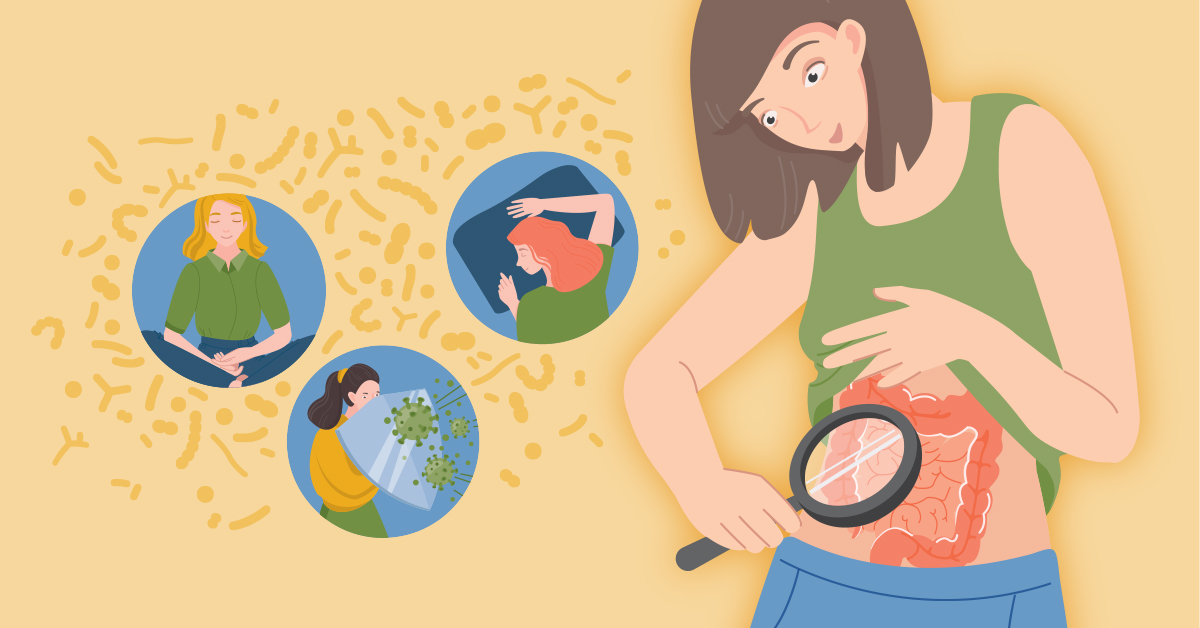
A healthy gut contributes to:
- immune system strength
- heart health
- improved mood
- healthy sleep
- effective digestion
- potential prevention of some cancers and autoimmune diseases
Read on to learn the signs of an unhealthy gut; how to make dietary and lifestyle changes to improve gut health; and ideas for gut-friendly foods!
Recognizing the signs of an unhealthy gut
Many aspects of modern life can affect your gut microbiome – including high stress levels, too little sleep, a diet high in processed and sugary foods, taking antibiotics, and more.
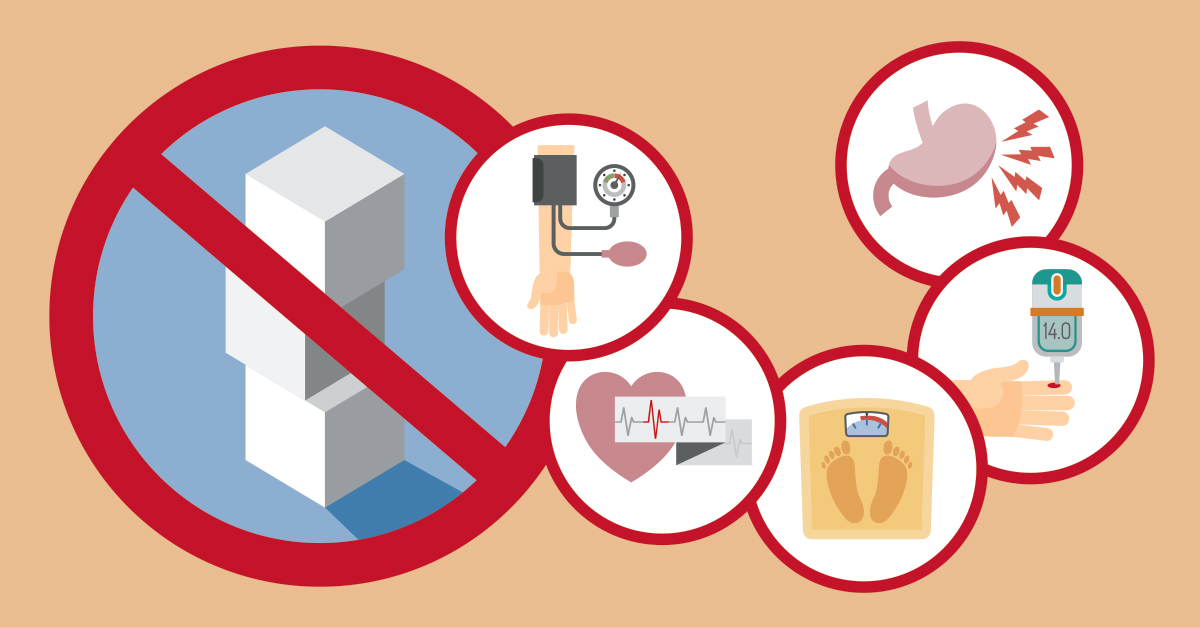
Following are seven of the most common warning signs of reduced gut health:
UPSET STOMACH
Stomach disturbances can all be signs of an unhealthy gut. They include gas, bloating, constipation, diarrhea and heartburn. A balanced gut will have less difficulty processing food and eliminating waste, leading to less frequent symptoms of upset stomach.
HIGH-SUGAR DIET
If you eat high amounts of sugar, your gut health may be compromised. Processed, sugary foods can decrease the amount of “good” bacteria in your gut, and research shows that the inflammation caused by too much sugar can be the precursor to a number of diseases.
UNINTENTIONAL WEIGHT CHANGE
Gaining or losing weight without changing your diet may be a sign of an unhealthy gut. Weight loss can be caused by malabsorption due to bacterial overgrowth in the small intestine. On the other hand, weight gain may be caused by insulin resistance or increased inflammation.
SLEEP PROBLEMS
If you’re suffering from insomnia, gut issues may be to blame. Research has shown that fragmented sleep, short sleep duration and chronic fatigue can be linked to imbalances in gut bacteria.
SKIN IRRITATION
Lower concentrations of “good” bacteria in the gut can impact your immunity and lead to skin conditions like psoriasis.
AUTOIMMUNE CONDITIONS
An unhealthy gut may increase systemic inflammation – leading to a number of autoimmune diseases – where the body attacks itself mistaking its cells and organs for harmful intruders.
FOOD INTOLERANCES
An unhealthy gut can have trouble digesting certain foods. This is different than a food allergy, which is caused by an immune system reaction to certain foods. Some food intolerances such as lactose intolerance may be caused by poor quality of bacteria in the gut.
How to improve your gut health
- A Diet Rich in Fiber
Eating plenty of fiber-rich foods like fruits, vegetables, and whole grains promotes healthy gut bacteria growth.
- Probiotics
Consuming fermented foods like yogurt or taking probiotic supplements can introduce beneficial bacteria to your gut.
- Prebiotics
As helpful as probiotics are when you eat them, they pass through the digestive tract, so they work their magic only while they remain in your body. You can improve your long-term gut health with prebiotics – the majority of which are carbohydrates we can’t digest – such as fiber. These healthy carbs are like fertilizer for gut-friendly bacteria! Eating foods such as bananas, asparagus, whole grains, onions, garlic, and soybeans will help you load up on prebiotics.
- Hydration
Drinking adequate water supports your gut health by aiding in proper digestion.
- Stress Management
Chronic stress can negatively impact your gut health, so remember to utilize stress-reduction techniques like physical activity, deep breathing, social support, listening to music, meditation and mindfulness.
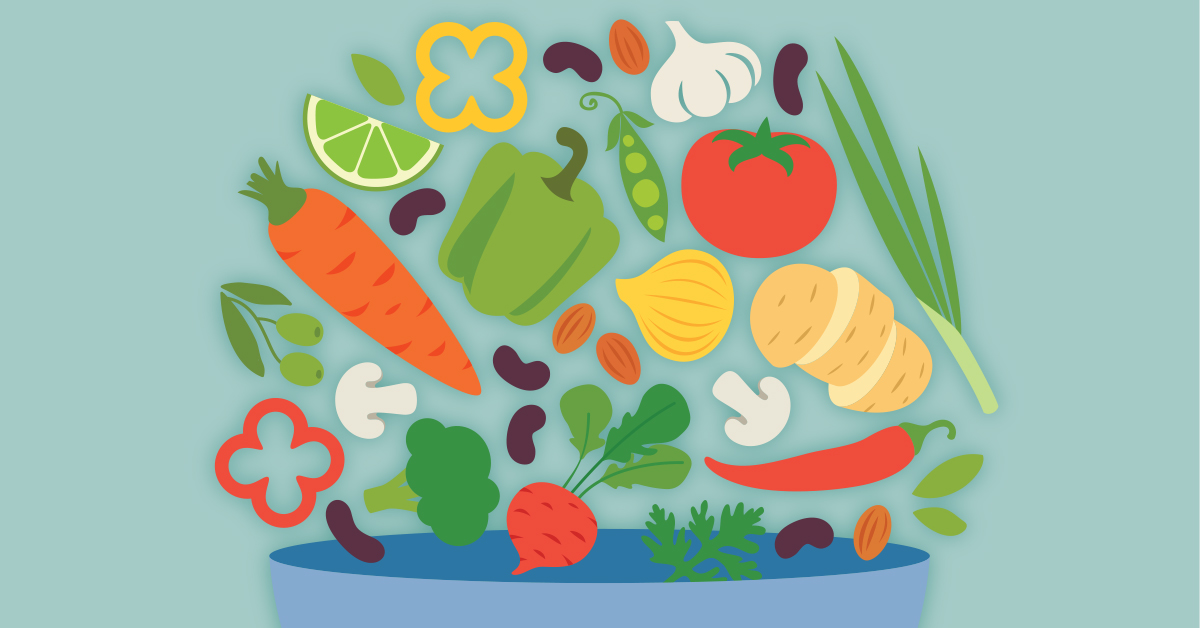
Feast on gut-friendly foods
- almonds
- apples
- asparagus
- bananas
- black beans
- broccoli
- chickpeas
- eggs
- garlic
- grapefruit
- kefir
- kimchi
- meat
- nuts
- oats
- oranges
- peaches
- pistachios
- quinoa
- sauerkraut
- whole grains
- yogurt
Be Good to Your Gut!
3 important things to remember:
- Gut health is important for overall health
- Pay attention to warning signs
- Eat wisely, hydrate, and move your body