

 MyChart
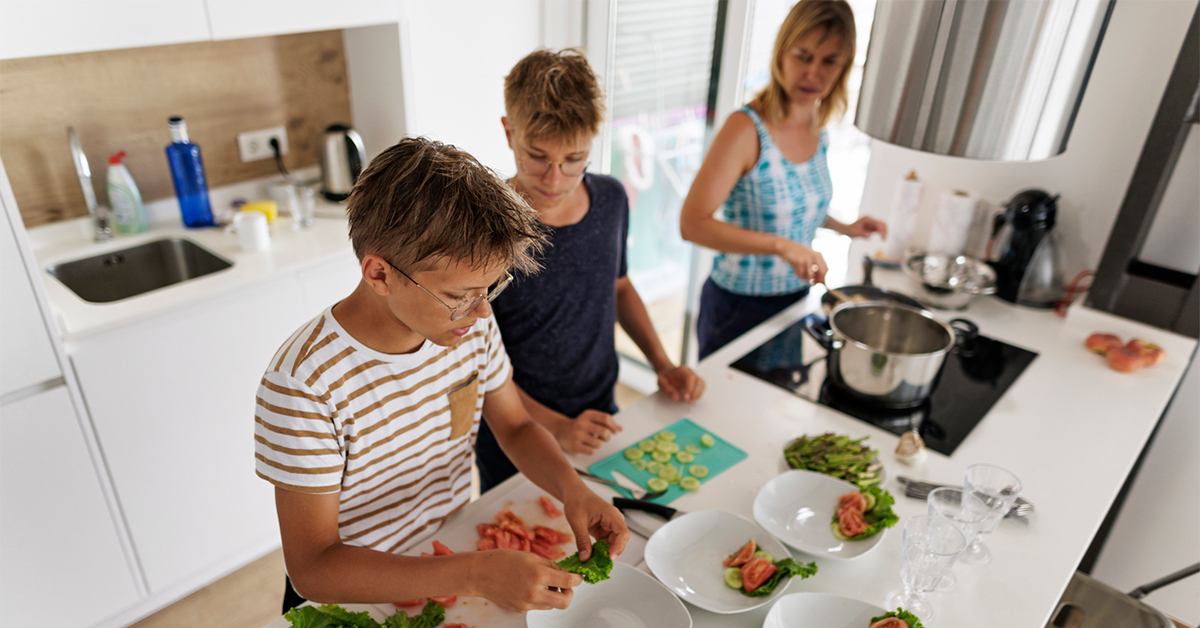
By the time you get home, everyone’s hungry, tired, and asking the same question: What’s for dinner? Between work, school, practices, and everything in between, meal planning can feel like just one more thing on an already full plate.
Here’s the good news: healthy meal planning doesn’t require hours of prep. A few simple life hacks can make weeknights calmer, reduce stress, and help your family eat better—most of the time.
Start with healthy-ish, not perfect
Healthy eating doesn’t mean gourmet meals or perfectly balanced plates every night. Think healthy-ish—meals that include protein, fiber, and a fruit or vegetable when possible, with a big helping of flexibility.
Progress over perfection matters. Some nights look like roasted chicken and vegetables; other nights look like breakfast for dinner or frozen pizza with a side salad. Both count.
” Meal planning doesn’t have to be perfect to be effective. I encourage families to focus on simple meals that include protein, fiber, and foods they already enjoy. Even small steps—like planning just two or three dinners ahead—can reduce stress and support better energy and health over time. “
Melissa Merrick, RD, LD
Welia Health Registered Dietitian
Build your “default dinners” list
Instead of starting from scratch every week, create a short list of meals your family already likes—think of it as your dinner “greatest hits.” Having 8–12 go-to meals reduces decision fatigue and makes planning faster. Reliable options might include:
- Sheet-pan chicken and vegetables
- Pasta with jarred sauce (add frozen veggies for a boost!)
- Stir-fry using frozen vegetable blends
- Soup or chili made in the slow cooker
- Breakfast for dinner
When you’re exhausted, familiarity is your friend.
Use meal themes to simplify decisions
Assigning themes to certain nights narrows your choices so you’re not staring at a blank calendar.
- Meatless Monday: Beans, lentils, or veggie-based meals
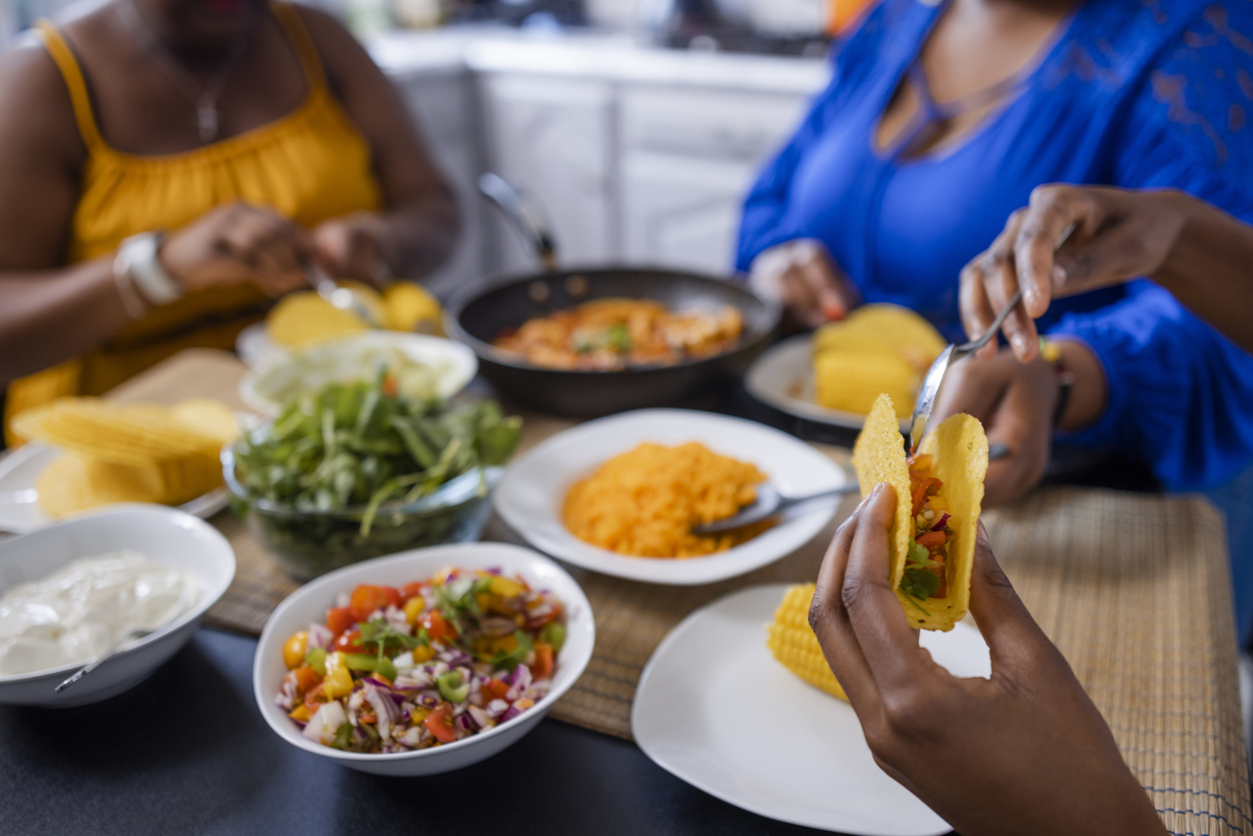
- Taco Tuesday: Fish, turkey, or beef
- Slow-cooker Wednesday: Set it and forget it
- Leftover or Breakfast Friday: Clear out the fridge
Let the grocery store do the work
Convenience foods can still be nutritious. Taking shortcuts doesn’t mean giving up on health—it means making dinner doable. Smart time-savers include:
- Rotisserie chicken: The ultimate meal starter.
- Pre-cut produce: Sliced peppers, bagged salads, or trimmed green beans.
- Frozen vegetables: Just as nutritious as fresh—and no risk of spoiling.
- Microwave-ready grains: Brown rice or quinoa in minutes.
Prep once, eat twice
You don’t need a full Sunday afternoon to get ahead. Small “double-up” habits add up:
- Double the protein: Cook extra chicken or fish for salads or wraps the next day.
- Chop once: If you’re chopping an onion, chop two and save half for tomorrow.
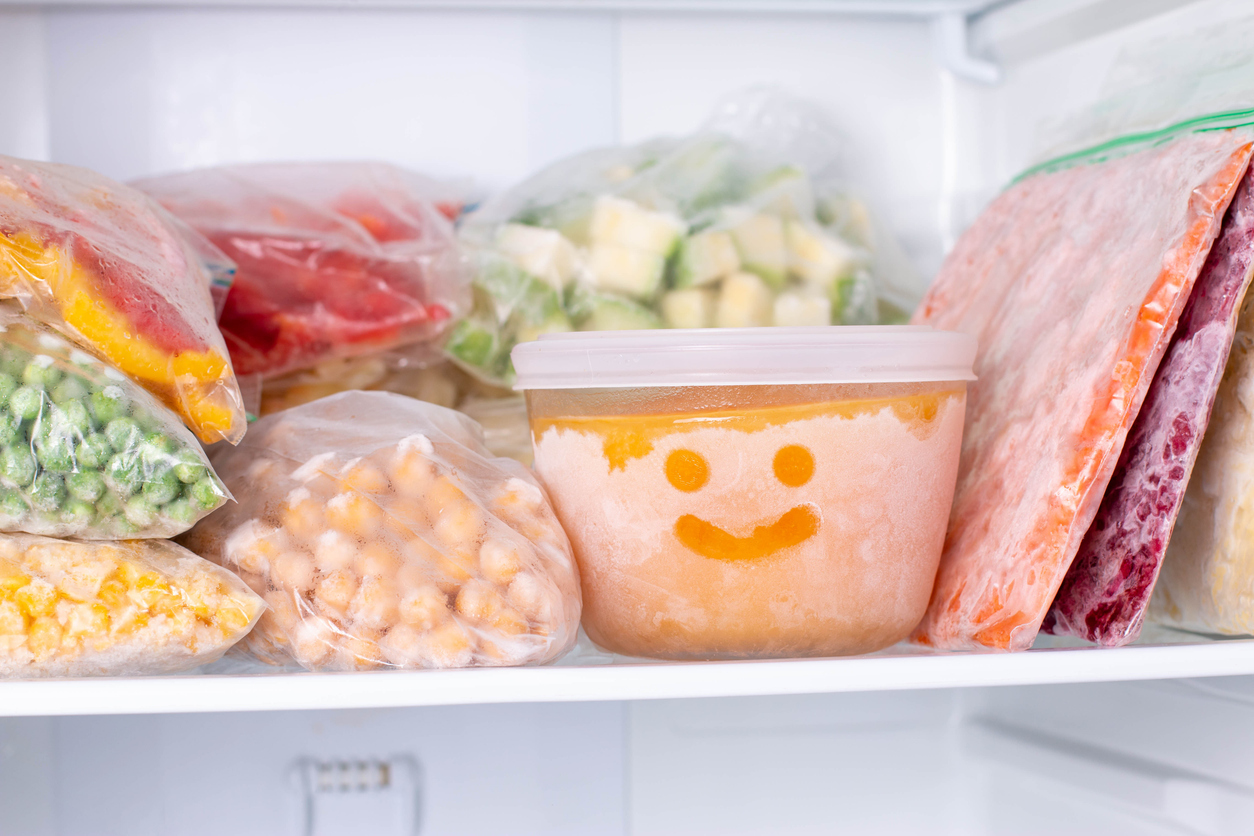
- Freeze half: Double soup or chili recipes and freeze a batch for a future busy night.
Pro tip: Keep a backup list
Even the best plans fall apart. Keep a list on the fridge of “Three-Minute Meals” for those nights when everything goes wrong:
- Scrambled eggs and toast
- Grilled cheese
- Protein smoothies
- Canned soup and a salad kit
Knowing there’s a “Plan B” lowers the daily pressure. Meal planning should make your life easier—not harder. If a week goes off the rails, that’s okay. Just start fresh next week.
Call on Welia Health
Many people use this time of year to create new habits for themselves and their families. If you’re looking for personalized nutrition guidance, a Welia Health registered dietitian can help you find an approach that fits your life. Call 320.679.1313 or log in to MyChart to get started.
Additional resources for inspiration