

 MyChart
Strokes are no joke. They are a leading cause of death and serious, long-term disability. Nearly 800,000 Americans experience a stroke each year—about one every 40 seconds. The good news? Recognizing the warning signs and acting quickly can make all the difference.
At Welia Health, we believe in empowering our community with the knowledge they need to stay healthy. Learn how you can spot the signs of a stroke, what to do in an emergency, and steps you can take to lower your risk.
What is a stroke?
A stroke occurs when blood flow to a part of the brain is blocked, preventing brain tissue from getting the oxygen and nutrients it needs. Brain cells begin to die within minutes, which is why every second counts.
There are two main types of stroke:
- Ischemic stroke: The most common type, caused by a blood clot blocking a vessel in the brain.
- Hemorrhagic stroke: Caused by a blood vessel bursting, leading to bleeding in the brain.
Both types are life-threatening and require immediate emergency care.
The F.A.S.T. warning signs
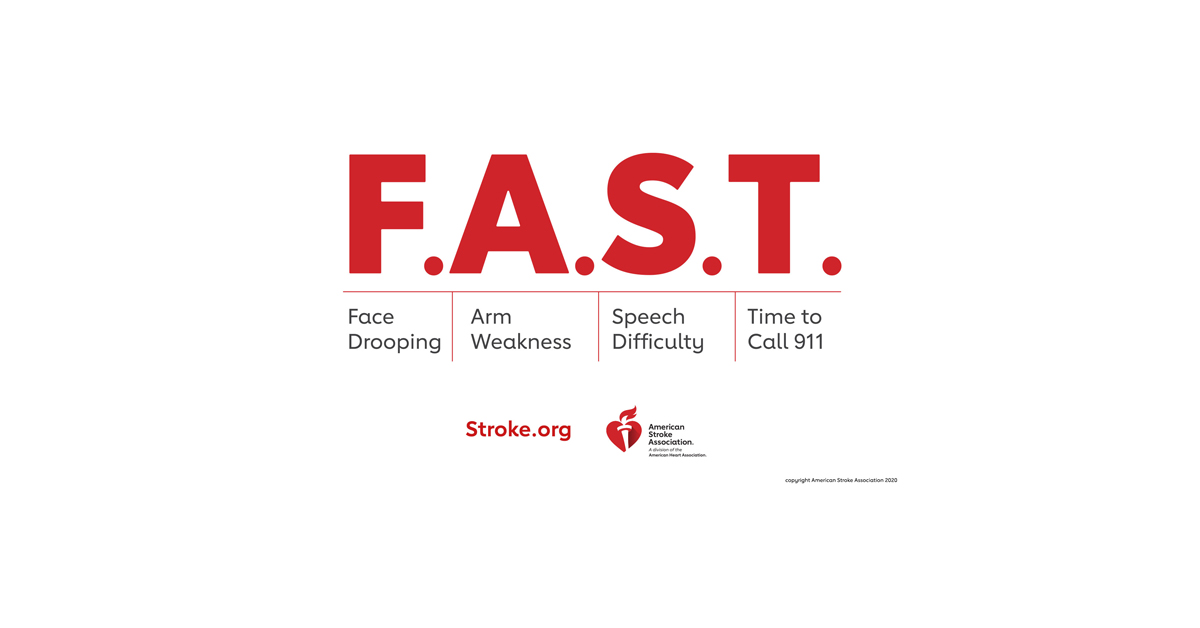
The acronym F.A.S.T. is an easy way to remember the most common signs of a stroke.
- F – Face drooping: Is one side of the face numb or drooping? Ask the person to smile. Does the smile look uneven?
- A – Arm weakness: Is one arm weak or numb? Ask the person to raise both arms. Does one drift downward?
- S – Speech difficulty: Is speech slurred or hard to understand? Ask them to repeat a simple sentence. Is it difficult?
- T – Time to call 911: If you notice any of these signs—even if they go away—call 911 immediately. Don’t wait to see if symptoms improve.
Dive deeper and learn to act F.A.S.T. – Check out this interactive learning tool to test how well you know the signs of a stroke.
Watch for other symptoms of stroke
While F.A.S.T. covers the most common warning signs, strokes can present in other ways too. Be alert for sudden:
- Numbness or weakness, especially on one side of the body
- Confusion or difficulty understanding speech
- Trouble seeing in one or both eyes
- Trouble walking, dizziness, or loss of balance
- Severe headache with no known cause
What to do while waiting for help
After calling 911:
- Note the time symptoms began — this helps healthcare providers decide on the best treatment, such as clot-busting medication (tPA) that must be given within a few hours (NIH).
- Do not give food, drink, or medication unless instructed by professionals.
- Keep the person safe, comfortable, and calm until emergency responders arrive.
Reducing your stroke risk
While you can’t change certain risk factors (like age or family history), many lifestyle choices can lower your chances of stroke. You can reduce your risk by:
- Controlling high blood pressure — the leading cause of stroke
- Managing conditions like diabetes and high cholesterol
- Quitting smoking and limiting alcohol intake
- Staying active with regular physical activity
- Maintaining a healthy diet low in salt, sugar, and saturated fats
- Treating atrial fibrillation (irregular heartbeat), which increases stroke risk
Take charge of your health
Recognizing stroke symptoms is the first step toward saving a life. Taking action—calling 911 without delay—is the next. But prevention matters, too.
Don’t wait until a stroke happens to take action. Talk with your Welia Health provider about your personal risk factors and the steps you can take today to protect your brain health. See your Welia Health family physician to start the conversation.
Call Welia Health at 320.679.1212 or log into MyChart to schedule an appointment.