

 MyChart
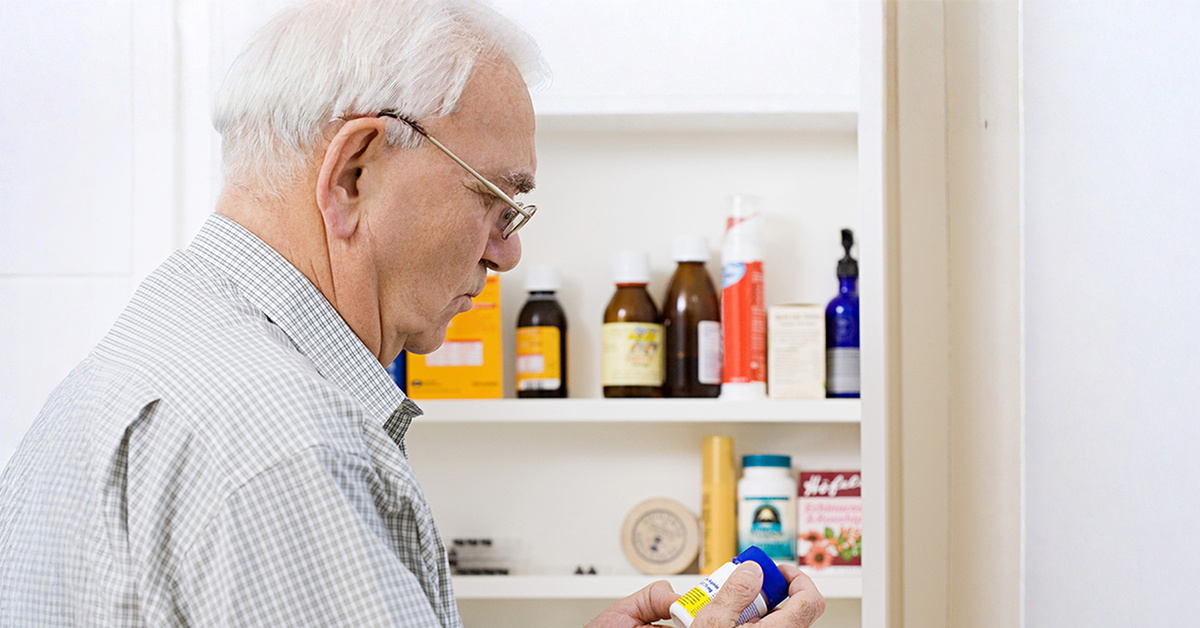
When was the last time you looked closely at what’s actually in your medicine cabinet?
Most of us don’t think much about medications once they’re stored away—until we’re sick, in pain, or helping a family member in need. But expired medications, improper storage, or leftover prescriptions can increase the risk of side effects, reduced effectiveness, or accidental misuse.
A quick medicine cabinet check—just once or twice a year—can help keep you and your family safer.
Why safe medication storage matters
Medications are powerful tools when used correctly—but they need a little care to stay effective and safe.
Improper storage or expired medications can lead to:
- Reduced effectiveness (the medicine may not work as intended)
- Increased side effects
- Accidental ingestion by children, pets, or visitors
- Confusion that leads to taking the wrong medication or dose
A few simple habits can go a long way in protecting your household.
Where medications should (and shouldn’t) be stored
Surprisingly, the bathroom medicine cabinet often isn’t the best place for medications.
Avoid storing medications in:
- Bathrooms (heat and humidity can break them down)
- Near sinks or windows
- Cars, garages, or anywhere with temperature swings
Better storage options include:
- A cool, dry drawer or cabinet
- A locked container if children or pets are in the home
- Original containers with labels intact
If a medication needs refrigeration, follow the label instructions and keep it clearly separated from food.
” Medications are most effective—and safest—when they’re stored properly and used as directed. A quick review of what’s in your medicine cabinet can prevent accidental misuse and help ensure your medications work when you need them most. “
Kati Dvorak, PharmD, BCACP
Welia Health Pharmacist
How often should you check expiration dates?
A good rule of thumb is to check medications once or twice a year—and anytime someone in your household has a change in health, medications, or providers.
When reviewing medications:
- Check expiration dates carefully
- Look for changes in color, smell, or texture
- Dispose of anything that is expired or no longer needed
- Be especially cautious with liquids, eye drops, and injectable medications, which often expire sooner
If you’re unsure whether a medication is still safe to use, your pharmacist can help.

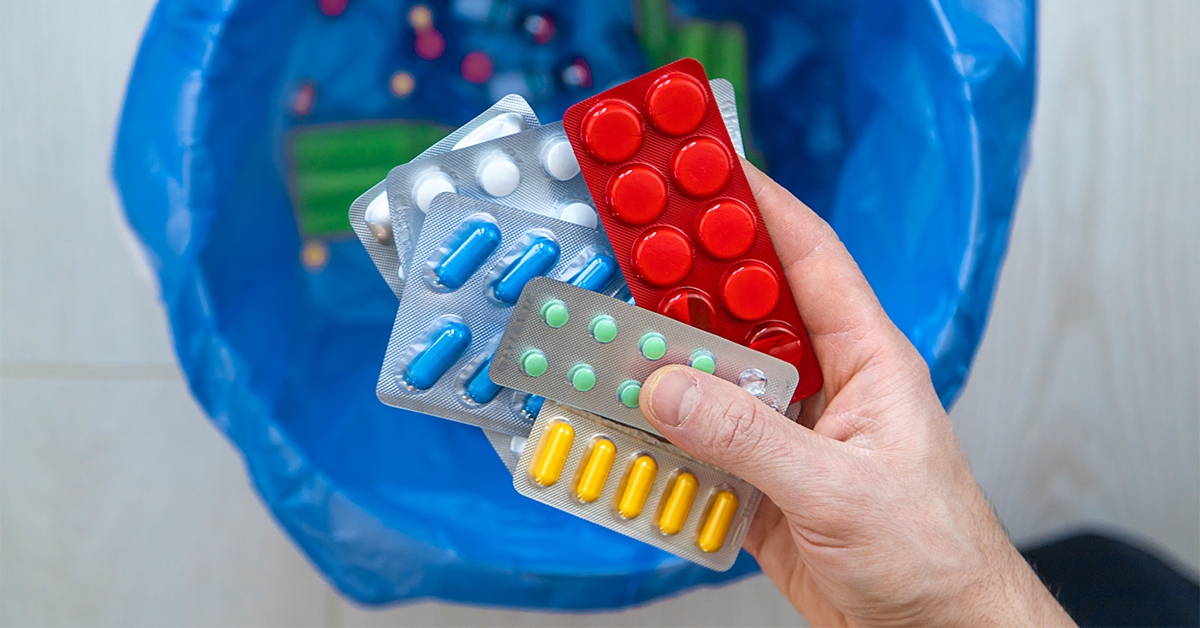
What to do with leftover or expired medications
Never flush medications down the toilet unless the label specifically instructs you to do so.
Safe disposal options include:
- Medication take-back events
- Local drop boxes (often available at pharmacies or law enforcement offices)
- Searching drop-off locations throughout Minnesota
- Following FDA-approved disposal instructions when take-back options aren’t available
You can also dive deeper by watching this video from the U.S. Food and Drug Administration or by reading a previous post, Safe Disposal of Medications and Sharps.
If you’re not sure where to dispose of medications locally, the Welia Health pharmacy team can point you in the right direction.
A note about sharing medications
Even if symptoms seem similar, medications should never be shared. What’s safe for one person may not be safe for another—especially with differences in age, allergies, or other health conditions.
Keeping medications clearly labeled and properly stored helps prevent mix-ups.
A quick checklist for your next cabinet clean-out
✔ Check expiration dates
✔ Remove medications you no longer use
✔ Store medications in a cool, dry place
✔ Lock up medications if children or pets are present
✔ Ask a pharmacist if you’re unsure about safety or disposal
Sometimes, the smallest safety checks make the biggest difference.
We’re here to help
If you have questions about storage, expiration dates, or safe disposal, your Welia Health Pharmacy team is always happy to help. Asking your pharmacist—even during a routine refill—can help you feel confident about the medications you rely on.
Pine City Community Pharmacy
8:00 AM–6:00 PM| Mon–Fri
8:00 AM – 1:30 PM | Sat
Mora Community Pharmacy
8:00 AM–6:00 PM | Mon–Fri
8:00 AM – 1:30 PM | Sat