

 MyChart
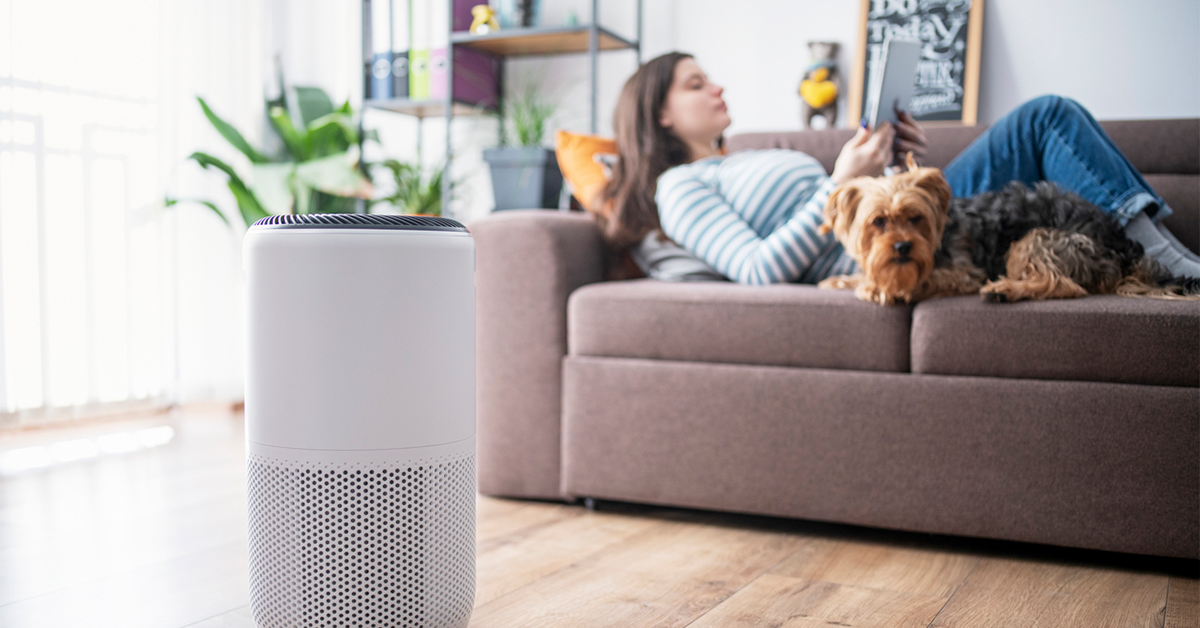
As the days grow shorter and the summer heat gives way to a chill in the air, Minnesotans know what comes next—furnaces kicking on and windows closing tight. With more time spent indoors with sealed windows, it’s only natural to think about the air we breathe at home. You may have heard of HEPA filters, but what are they, and do they really make a difference?
What are HEPA filters?
HEPA stands for high-efficiency particulate air. The term refers to filters that meet stringent standards set by the U.S. Department of Energy. HEPA filters were first developed in the 1940s as part of the Manhattan Project to protect workers from airborne radioactive particles. To earn a true HEPA designation, a filter must trap at least 99.97% of particles measuring 0.3 microns (µm) in diameter. (One micron is 0.001 millimeters—very small.)
You may also see “HEPA-type,” “HEPA-like,” or “99% HEPA” filters. Be cautious with these labels. Unlike true HEPA filters, these filters are not held to the same standard. They may capture larger particles like dust and lint but are significantly less effective at trapping the microscopic pollutants that can trigger allergies and asthma.
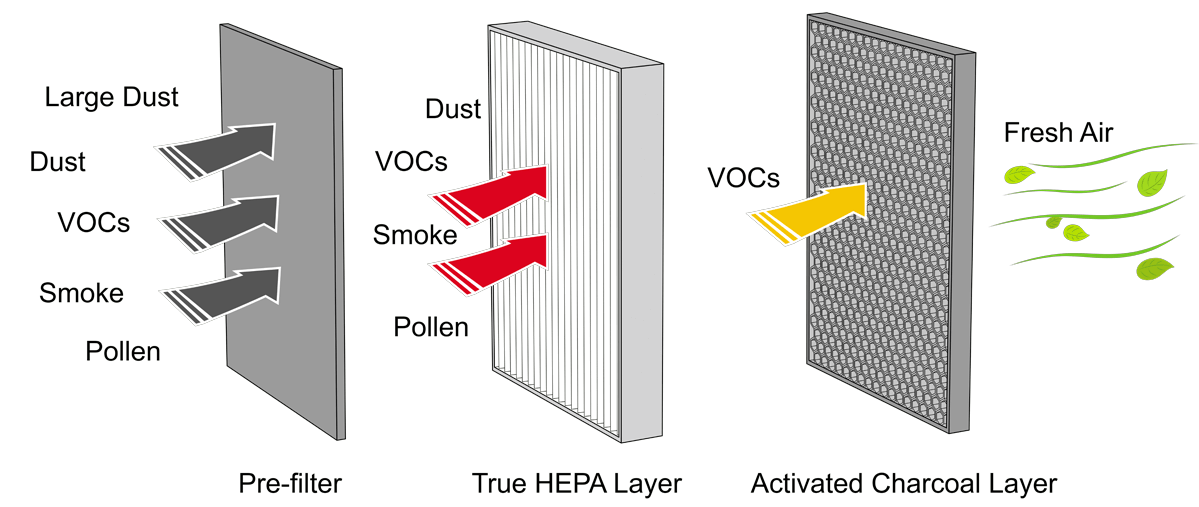
With the ability to capture such tiny particles, HEPA filters effectively trap common indoor air pollutants such as:
- Dust mites
- Pollen
- Pet dander
- Mold spores
- Some bacteria and viruses
- Fine particles like smoke and aerosols
How do HEPA filters work?
HEPA filters use a dense web of fibers to trap particles as air passes through. Three main mechanisms do the work:
- Interception: particles brushing against a fiber stick to it.
- Impaction: larger, fast-moving particles collide with fibers and get trapped.
- Diffusion: ultra-fine particles bounce around and eventually adhere to fibers.
Potential benefits of HEPA filters
What does the microscopic filtration of HEPA filters mean for you? Here are some potential benefits of using HEPA filters in your home:
- Allergy and asthma relief: By significantly reducing airborne allergens like pollen, dust mites, and pet dander, HEPA filters can create a healthier indoor environment and provide noticeable relief for those with allergies or asthma.
- Enhanced overall health: By actively removing harmful pollutants and fine particles from the air, HEPA filters can help support your respiratory health and may reduce the risk of common respiratory infections.
- Cleaner living environment: HEPA filters trap dust particles, promoting a cleaner home environment, minimizing dust bunnies, and reducing the need for frequent cleaning.
- Improved sleep quality: Breathe easier, sleep more deeply. Cleaner air can contribute to better sleep quality, leaving you feeling more refreshed and revitalized.
- Reduced exposure to wildfire smoke and outdoor pollution: For individuals living in areas prone to wildfires or high air pollution, HEPA filters offer an additional layer of protection against harmful airborne particles.
With these benefits, it may not be surprising that HEPA filters are typically more expensive than standard filters. Since they typically need to be replaced every 6-12 months, cost can be a factor in long-term use.
How can you use HEPA filters?
HEPA filters have a wide range of applications, including:
- Air purifiers: Incorporating HEPA filters into air purifiers effectively removes particles from the air in your home or office, enhancing indoor air quality. When shopping for an air purifier for your home, look for models with a true HEPA filter and select a unit with a Clean Air Delivery Rate (CADR) that is appropriate for the size of your room to ensure effective filtration.
The New York Times recently tested more than 60 brands and offered its recommendations for the top air purifiers on the market.
- HVAC systems: By equipping HVAC systems with HEPA filters, air quality can be improved throughout an entire facility or building. This is commonly seen in hospitals, medical labs, food processing plants, and even airplanes. HEPA air filtration systems are not common in traditional home HVAC systems due to their size and energy requirements. However, modifications are possible. Contact your local HVAC expert.
- Vacuum cleaners: Look for vacuum cleaners with a built-in HEPA filter. This is especially important for allergy sufferers, as it helps prevent dust and allergens from being released back into the air as you clean.
Health.com offers its top nine list for vacuum cleaners to fight allergies, all of which have HEPA filters.
The bottom line
HEPA filtration is a powerful tool for improving indoor air quality and managing your health. Choose a true HEPA filter when possible, right-size the device for your room, and replace filters on schedule. Remember, air cleaning doesn’t replace basics like banning smoking indoors, ensuring adequate ventilation, and routine cleaning.
If you suffer from allergies or asthma, talk to Welia Health’s allergy specialist, Matthew Patterson, MD, about how you can take proactive steps, including air purification, to manage the allergens in your environment and improve your quality of life. Call Welia Health at 320-679-1212 or log in to MyChart to schedule an appointment.