

 MyChart


If you’ve stopped for gas lately, you’ve likely walked right past it. Near the counter, you may very well see small bottles, gummies, powders and tablets labeled with a name most people have never heard of—Kratom or 7-OH. It’s new to a lot of us, so here’s a quick look at what it is, how it affects the body and how to protect yourself and the people you love.
What is Kratom or 7-OH?
Kratom is a tree native to Southeast Asia and has been available for sale at gas stations and smoke shops for years. 7-OH is short for 7-hydroxymitragynine, a compound found in kratom. Kratom leaves naturally contain only a tiny amount of 7-OH, usually less than 0.05% by weight. However, some companies now extract 7-OH and sell it in concentrated products. According to the Food and Drug Administration (FDA), 7-OH may be about 13 times more potent than morphine.
Because these products are often sold at gas stations and convenience stores, you may hear them called “gas station drugs” or “gas station heroin.” Many packages use brand names instead of the word kratom or 7-OH, so it isn’t always obvious what you’re buying.
Kratom vs. 7-OH: what’s the difference?
The two names are often used interchangeably, but they aren’t the same thing:
- Strength. Traditional kratom is made from ground leaves. 7-OH products are concentrated and can be much stronger.
- How they’re sold. Kratom usually comes as powders, capsules or teas. 7-OH often comes as tablets, gummies, shots and drinks, sometimes labeled “enhanced” kratom.
- How they affect the body. Kratom is marketed to give you energy, but it can also act on the same receptors as opioids, creating an opioid-like effect. 7-OH is much stronger than Kratom and tends to mimic opiates like heroin or oxycodone
The Minnesota Department of Health (MDH) warns that someone who thinks they’re buying kratom may actually be getting something much stronger.
” What makes 7-OH concerning is that many people do not realize what it is or how strong it is when they begin using these substances. If you see something for sale at a gas station or convenience store, it’s easy to assume it’s relatively safe. But 7-OH has powerful opioid-like effects, and those effects can catch people off guard and lead to rapid tolerance and dependence. “
Reid Johnson, RN, Welia Health nurse
What does 7-OH do to the body?
7-OH acts on the brain’s opioid receptors. Its effects and risks look more like those of an opioid such as fentanyl, heroin or oxycodone. Wide-ranging side effects can show up throughout the body:
Digestion
- Nausea: One of the most common side effects.
- Vomiting: Often follows nausea.
- Constipation: Opioid-like effects slow the gut.
Brain and mood
- Drowsiness: Ranges from mental fog to nodding off.
- Dizziness and headaches: Can affect balance and focus.
- Anxiety: Can feel restless or on edge.
Heart and breathing
- Faster heart rate: The heart may race or pound.
- Higher blood pressure: Can strain the heart over time.
- Slowed breathing: Concentrated 7-OH can make breathing shallow, especially at high doses or when mixed with alcohol or other drugs.
Higher-dose risks
- Seizures: More likely at high doses or when mixed with other substances.
- Psychosis: Confusion or losing touch with reality.
- Liver damage: The FDA has warned about liver toxicity linked to kratom.
- Death: It can be very dangerous and potentially fatal, especially at high doses or when used with other substances or medications.
Is 7-OH addictive?
Yes. Repeated use can lead to tolerance and dependence, so someone may need more to get the same effect. Stopping can bring on withdrawal symptoms such as anxiety, sweating, agitation and stomach upset. These symptoms can be mild. Often withdrawal is so severe the person needs to go to the Emergency Room to manage their symptoms. Withdrawal can be similar to other opiates like fentanyl or heroin.
Many people start using kratom or 7-OH for any number of reasons—to manage pain, ease anxiety or get more energy. But occasional use can become hard to stop. A public health specialist in northwestern Minnesota shared the story of a mom who spent more than $60,000 on kratom products in a single year while trying to manage knee pain without opioids.
” 7-OH is destroying the lives of members of our community. These are our coworkers, neighbors, friends and family. Many are unintentionally becoming addicted to 7-OH. They pick it up at a gas station or get it from a friend. They are using it to help with anxiety, pain or just to relax. Within a few weeks, they are spending hundreds to thousands of dollars a month on it, and they cannot stop it without going into severe withdrawal. “
Matthew Allen, MD
Welia Health Family Medicine physician
If it’s legal, it can’t be that dangerous, right?
Being available for sale doesn’t mean a product has been proven safe. Here’s why:
- It’s not FDA-approved. Kratom and 7-OH aren’t approved by the FDA for any medical use, and concentrated 7-OH can’t legally be sold as a dietary supplement or added to food.
- Labels may not tell the whole story. The amount of 7-OH can vary from product to product and may not match what’s on the label.
- Regulators are responding. In July 2026, the U.S. Drug Enforcement Administration (DEA) announced plans to temporarily place concentrated 7-OH in Schedule I. In August, the Department of Justice emergency-scheduled three related compounds. The federal status of 7-OH itself is still evolving. Despite temporarily placing 7-OH as a Schedule I controlled substance, it remains available at smoke shops and online.
What’s happening in Minnesota?
As of August 1, 2026, a new state law makes it illegal to sell kratom or 7-OH to anyone under 21, up from 18.
Calls to the Minnesota Regional Poison Center are rising, too. Its associate medical director told MPR News that kratom-related calls more than doubled from 2024 to 2025, and by midsummer 2026 had nearly matched all of 2025.
A widespread issue
These products are sold at gas stations and convenience stores in communities across Minnesota, including ours. A Minneapolis addiction specialist and past president of the Minnesota Society of Addiction Medicine told Pain News Network that rural areas are seeing significant problems with kratom and 7-OH use.
Reid Johnson added, “We are seeing increasing use and the consequences of 7-OH use in our community, including many patients who are unable to stop using these substances because of significant withdrawal symptoms. Despite wanting to stop, we are seeing patients who continue to use it to avoid the withdrawal symptoms. Some are spending substantial amounts of money to maintain their use, creating significant financial and personal consequences. Many people are unaware that there are treatment options available to assist with discontinuing use and minimizing withdrawal symptoms.”
What you can do
A few simple steps can help protect you and the people around you:
- Read the label. Watch for kratom, 7-OH or “enhanced” kratom, including products that look like candy, energy products or supplements—and skip them.
- Don’t mix it with alcohol or other substances that cause drowsiness. Together, they can slow breathing to dangerous levels.
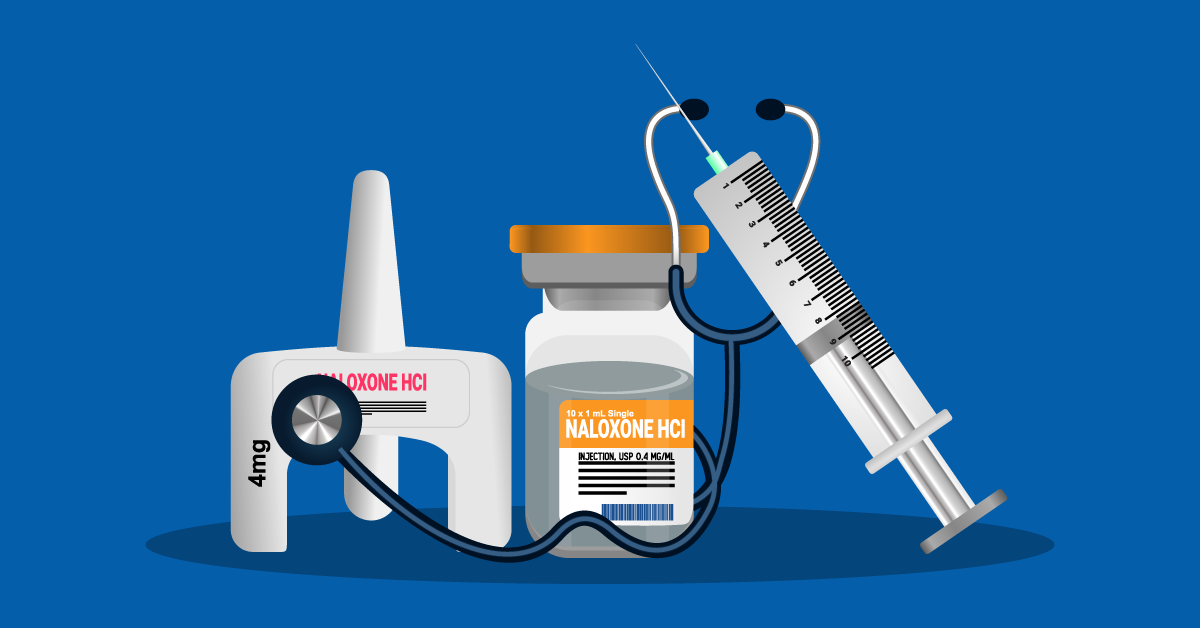
- Keep naloxone on hand if 7-OH is being used. Naloxone (Narcan) can reverse an opioid overdose, including one involving 7-OH.
- Talk to anyone about it. Share the dangers of this product with your kids and loved ones.
- Store any kratom or 7-OH products safely, where children and pets can’t reach them.
If you or someone you love is using 7-OH
Help is available, and you don’t have to figure it out alone. Dependence and withdrawal can make stopping difficult, but medications approved to treat opioid use disorder can ease withdrawal and cravings. Contact Welia Health’s Medication Assisted Treatment (MAT) program at 320.674.9139.
For a poison emergency, call the Minnesota Regional Poison Center at 1.800.222.1222. If someone is very drowsy, can’t be woken up or is having trouble breathing, call 911 right away.